US Midterm Elections: What happens before the new Congress takes office?
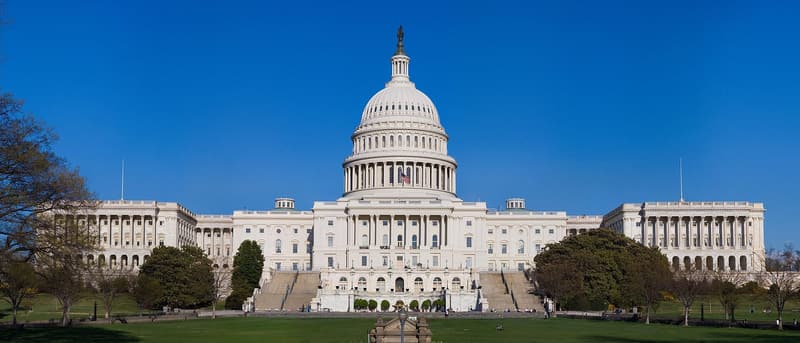
Representative photo · Photo: Noclip / Wikimedia Commons, Public domain
Following the US midterm elections, the outgoing Congress enters a lame-duck session while lawmakers prepare for the transition of power in January.
With the midterm elections concluded, the United States is in a transition period as the newly elected Congress prepares to assume power in January. While voters have determined that the Democratic Party will hold control of both chambers, the current legislative body remains in place for a final period of work. Understanding what Congress means in this context is essential, as the existing majority continues to govern while the incoming members undergo orientation and staff hiring. Election officials are currently finalizing results across various states to complete the certification process.
The Lame-Duck Session
On November 9, the sitting Congress returned to Washington for what is formally known as a lame-duck session. During this time, the Republican Party retains its majority in both the House and the Senate, allowing it to pass legislation until the 120th Congress is sworn in. Newly elected lawmakers are using this window to prepare for their upcoming terms by attending orientation sessions and learning the daily operations of the legislative branch.
Political parties are also engaged in selecting their leadership. In the Senate, the Republican Party has re-elected John Thune as its leader. Meanwhile, the Democratic Party is navigating a leadership contest, with Senator Chris Van Hollen challenging the current Senate Minority Leader, Chuck Schumer, for the majority leader position, with a vote set for December 1. Strategists note that this internal debate highlights broader identity challenges facing both parties following the midterms, including the divide between moderate and progressive wings within the Democratic Party.
The outgoing Congress must resolve critical funding issues before the new legislative session begins in January.
One of the most pressing tasks for the current Congress is the December 11 deadline to approve federal government funding. Lawmakers previously passed a temporary spending bill to keep agencies operational, but they must now agree on a new measure to avoid a potential government shutdown. Experts suggest that if a deal is not reached, negotiations could extend into February, potentially pushing the issue into the term of the new Congress. Additionally, the federal debt ceiling remains a significant challenge that will require attention in the coming months.
Why it matters
The transition period is a critical time for US governance, as the lame-duck session determines whether the government avoids a shutdown through the end of the year. The decisions made regarding federal funding and the debt ceiling will set the fiscal stage for the next two years of the presidency.
For international observers, including those asking what the US Congress party did for India or other global partners, these legislative processes are significant because they dictate the stability of US foreign policy and economic commitments. The outcome of these budget negotiations will directly impact how federal agencies function, influencing the continuity of international cooperation and diplomatic engagements.
Sources
More like this
Indian Opposition Stages Protests Against Meta Over Account Removals

Jean-Luc Melenchon blames media for racist attack

European Council President Proposes New Budget Proposal for 2028-2034