Endurance Swimmer Highlights Environmental Cost of War in Strait of Hormuz
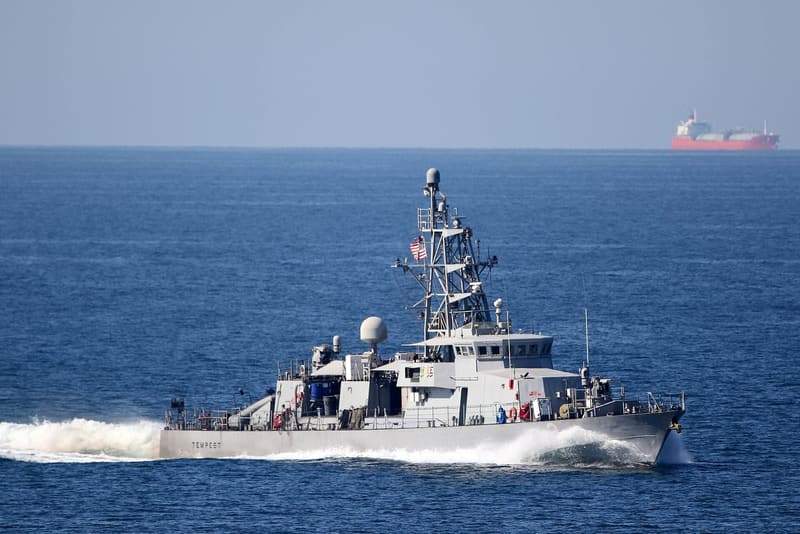
Representative photo · Photo: Official U.S. Navy Page from United Stat / Wikimedia Commons, Public domain
British endurance swimmer Lewis Pugh has completed a challenging route through the Strait of Hormuz to spotlight the severe ecological damage caused by ongoing conflict.
A British endurance swimmer has successfully finalized a multi-day journey across the Strait of Hormuz to draw public attention to the ecological consequences of regional fighting involving Iran. Lewis Pugh, serving as a United Nations Patron of the Oceans, completed a swim of approximately fifteen kilometres through this vital petroleum transit route in the Middle East. The fifty-six-year-old athlete, originally from Plymouth, noted that warfare brings immense human misery, yet nature remains an overlooked casualty suffering from the hostilities.
Pugh is advocating for a cessation of hostilities, the reopening of the crucial shipping lane, and immediate measures to tackle environmental harm resulting from the ongoing conflict. He is believed to be the pioneer of long-distance swimming attempts in the strait since hostilities commenced in March. His route spanned from Musandam Island to the Cape of Hormuz situated at the northern extremity of the Omani peninsula.
Endurance swimmer Lewis Pugh highlights environmental destruction during a challenging journey through the Strait of Hormuz.
According to the Lewis Pugh Foundation, a vessel carrying oil was struck by a projectile merely four kilometres away from his swimming path on the opening day. During the following twenty-four hours, the athlete observed flames towering above a headland near the burning liquefied petroleum gas carrier Tara Gas, subsequently passing closely by the blazing ship. Expressing his primary concerns for the crew members onboard, Pugh emphasized the catastrophic risks that attacks on such highly flammable cargo carriers present to surrounding marine ecosystems.
Ecological Impact on Wildlife
The vital maritime channel serves as a natural habitat for numerous marine species, including whale sharks, sea turtles, and dugongs. Pugh warned that potential fuel spills and other forms of contamination could yield lasting repercussions for fragile marine habitats such as mangrove forests, seagrass meadows, and coral reefs.
Why it matters
The closure of the Strait of Hormuz and ongoing regional conflict carry broad implications, potentially affecting global supply chains for essential commodities, medical supplies, and consumer electronics. These disruptions impact international commerce and everyday consumers worldwide by threatening critical maritime trade routes.
Sources
More like this
Australia Urged to Reduce Reliance on Imported Fossil Fuels

Cop31 Climate Summit Talks End Without Consensus on Fossil Fuel Deal
New Draft Deal Aims to Avert Collapse of Talks at Climate Summit