Understanding What Paris Agreement Means for Global Climate Targets
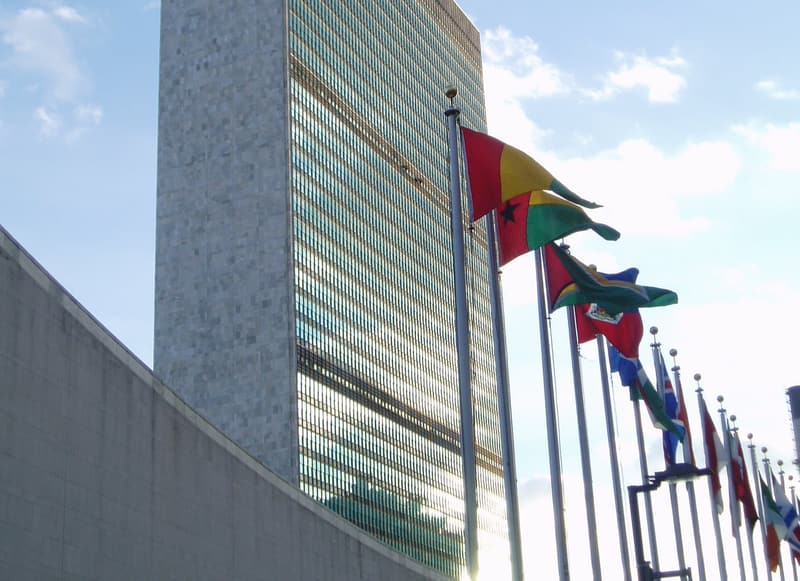
Representative photo · Photo: Steve Cadman / Wikimedia Commons, CC BY-SA 2.0
The 2015 global pact unites nearly 200 countries in tackling rising temperatures, but scientists warn that the crucial 1.5C threshold faces severe pressure.
Almost two hundred nations adopted a landmark treaty in the French capital nearly a decade ago, establishing what people refer to as the what paris agreement to curb global temperature increases and mitigate severe environmental damages. The international framework officially went into effect on November 4, 2016, requiring nearly every country to reduce greenhouse gas emissions that drive climate warming.
Under the accord, participating governments committed to keeping temperature rises well below 2.0C compared to pre-industrial levels while pursuing efforts to cap the increase at 1.5C. Nations also pledged to achieve a balance between emitted and removed greenhouse gases during the latter half of this century. Developed economies agreed to mobilize financial assistance to support developing nations in transitioning to renewable energy and adapting to environmental shifts.
What Paris Agreement Targets Mean
Despite progress in renewable energy expansion, the planet continues to heat up rapidly. Recent United Nations assessments indicate the 1.5C limit might be breached within coming years without stringent interventions. This threshold typically relies on a twenty-year average instead of a single calendar year, meaning individual warm years do not automatically signal a permanent breach of the target.
Scientific data demonstrates that every fraction of a degree increase introduces heightened risks, including prolonged heatwaves, intense storms, and widespread wildfires. Surpassing a 2.0C rise could trigger irreversible tipping points, such as accelerated melting of the Greenland Ice Sheet or further degradation of the Amazon rainforest. Richer nations previously committed to providing one hundred billion dollars annually to assist developing economies, a financial goal successfully met in recent consecutive years following 2022.
The landmark 2015 treaty unites nations to curb global warming and address severe environmental risks.
Political shifts have impacted participation in the pact. The United States, ranked as the second-largest emitter globally, withdrew from the framework under President Donald Trump, following an earlier departure during his first term and a subsequent return under President Joe Biden. Aside from the United States, only Iran, Libya, and Yemen remain outside the international accord.
Why it matters
The international pact remains the central mechanism for global cooperation on climate action, directly influencing how governments manage carbon emissions and financial flows for green economies. While developing and developed nations navigate these commitments, the shifting political landscape of major emitters like the United States alters the collective momentum needed to prevent irreversible environmental tipping points and safeguard vulnerable regions from extreme weather impacts.
Sources
More like this
A really simple guide to climate change and global warming impacts

How climate change worsens heatwaves, droughts, wildfires and floods
What net zero means and if the UK is on track to achieve it