Politics
What Republicans Are Running for President in 2028 and Midterm Lessons
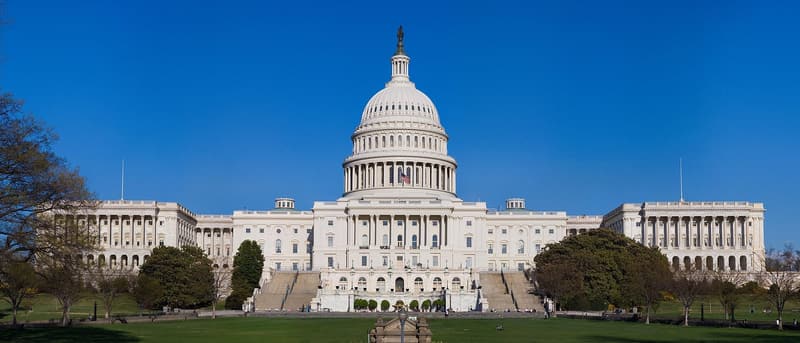
Representative photo · Photo: Noclip / Wikimedia Commons, Public domain
Representative photo · Photo: Noclip / Wikimedia Commons, Public domain
Former US Congressman Tom Garrett discusses why the Republican Party lost recent midterm elections and looks ahead to the future of the party.
Former United States Congressman and Republican politician Tom Garrett recently shared his perspective on why his party suffered significant losses during recent midterm elections. Speaking in an interview with host Steve Clemons, Garrett pointed out that the party made numerous commitments to voters and subsequently failed to deliver on them. When considering what republicans are running for president in 2028, political observers are also weighing how past campaign promises and messaging strategies might shape future electoral outcomes. Garrett noted that the Republican Party could have managed its messaging more effectively regarding affordability issues. This challenge arose amidst rising living costs driven by the US-Israeli conflict involving Iran, as well as the implementation of tariffs by President Donald Trump. ## Key Political Discussions and Future Outlook The discussion also touched upon several other prominent national topics. These include the impact of the Epstein files, the stringent immigration policies championed by Donald Trump, diplomatic ties between the United States and Israel, and the growing role of data centres. Garrett argued that failing to keep voter commitments remains a central weakness for the party moving forward. > Republican electoral losses stem from making numerous campaign promises and failing to fulfill them. ## Why it matters This discussion highlights the internal challenges and strategic hurdles facing the Republican Party as it evaluates its political messaging and policy delivery. For audiences globally, understanding the dynamics of United States politics provides insight into future leadership directions and policy shifts that could influence international relations, economic landscapes, and trade decisions.