Where does the Republican Party stand after midterm losses?
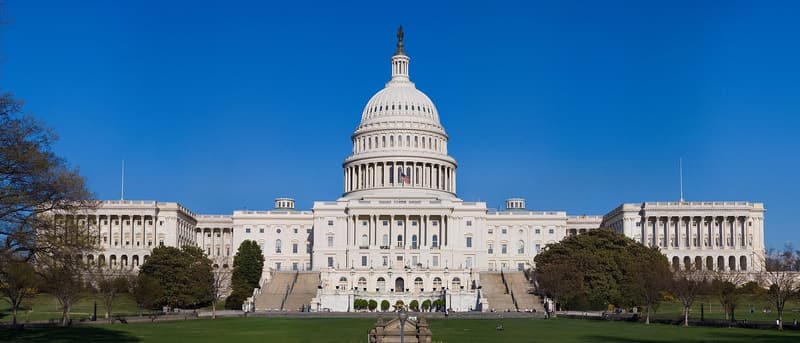
Representative photo · Photo: Noclip / Wikimedia Commons, Public domain
Following midterm election losses to the Democrats, the Republican Party faces questions about its political future and leadership under President Trump.
The United States recently held midterm elections where all 435 seats in the US House of Representatives and 35 of the 100 US Senate seats were contested. The results proved overwhelmingly favorable for the Democratic Party, with Democrats flipping at least 40 House seats and seven Senate seats in what many described as a blue wave. Notable upsets occurred in regions like Texas and Kansas, while prominent Republicans such as Senator Susan Collins were unseated, stunning many observers. The economic fallout from the war with Iran played a significant role in voter discontent. Rising petrol prices during the conflict drove up the cost of everyday goods and groceries, heavily impacting the average American. With only 14 percent of Americans rating Congress favorably and living costs rising, the public once again demanded accountability and change from Washington. Historically, midterm losses for the party in power are common. Since World War II, several midterm cycles have seen comparable or larger seat losses for the sitting president's party, including under Presidents Harry Truman, Dwight Eisenhower, Bill Clinton, and Donald Trump. Past presidents whose parties suffered staggering defeats often went on to govern effectively by finding ways to work with the opposition. President Trump and Vice President JD Vance acknowledged the war in Iran and its economic impact as primary factors in the defeat. As Democrats prepare to take control of House and Senate committees in January, President Trump still retains the powerful veto pen to reject legislation he considers too radical, setting the stage for potential clashes or forced compromise over the next two years. > Midterm losses reflect traditional voter demands for accountability rather than a historic rejection of the Republican Party. ## Why it matters The shift in congressional control will dramatically alter the next two years in Washington, bringing renewed congressional oversight, investigations, and potential legislative gridlock or cooperation between the White House and the Democratic-led Capitol Hill. ## Looking toward 2028 As political circles begin discussing potential 2028 presidential nominees, the question remains whether the Republican Party will lean toward figures tied to the Trump administration, such as JD Vance and Marco Rubio, or seek fresh outsiders.
Sources
More like this

Labour Expected to Cut EV Targets for UK Car Industry
Trump Set for Hardline Shift After Midterm Defeats
Lisa Nandy Wary of Rejoining EU in Circular Debates