Republican wipeout in US midterms sends Europe’s far-right a message on voter concerns
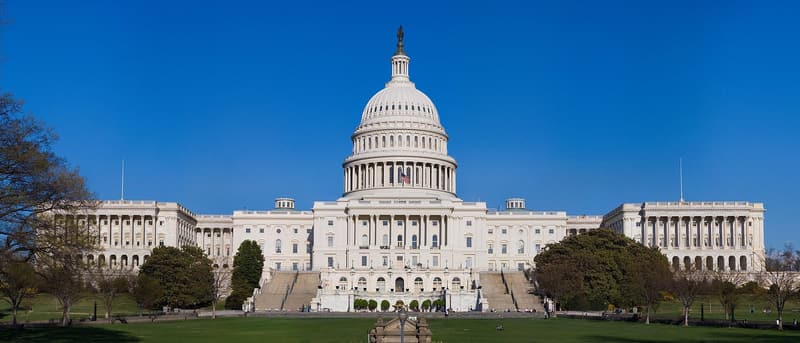
Representative photo · Photo: FrDr / Wikimedia Commons, CC BY-SA 4.0
The historic Republican defeat in the US has forced European far-right leaders to distance themselves from Donald Trump while addressing domestic economic grievances.
The historic Republican wipeout in the US midterm elections has served as a sharp reminder for European populist leaders regarding their complex relationship with Donald Trump. While many share his ideological focus on culture wars and anti-globalism, the former president has become a toxic electoral liability. As European politicians navigate the political landscape, the question of how the Republican Party operates remains a point of intense scrutiny for observers across the continent.
Since his re-election in 2024, figures such as Marine Le Pen in France and Giorgia Meloni in Italy have carefully managed their public stance toward the US president. While they admire his policies on hard borders, they face a reality where voters dislike his personal volatility and trade protectionism. Threats regarding territorial sovereignty and economic nationalism have created friction, as these European leaders champion domestic jobs and national interests.
Lessons from the Republican Party
The scale of the US midterm results has prompted a strategic retreat among European populists. In France, Jordan Bardella of the National Rally has sought to insulate his party from the White House, focusing instead on purchasing power and the cost of living. Similarly, in Germany, Alice Weidel of the Alternative für Deutschland noted that broken campaign promises regarding foreign policy have haunted the Republicans. In Italy, Roberto Vannacci suggested the result highlights the dangers of failing to meet electoral expectations.
Some leaders have abandoned the connection entirely. Santiago Abascal of Spain's Vox party dismissed questions about ideological alliances, stating he is focused on domestic affairs rather than events in Michigan. Mujtaba Rahman of the Eurasia Group consultancy noted that these leaders are attempting to harness the momentum of Trumpism while avoiding the chaos associated with his presidency.
The US midterms show that voter anger over the cost of living is unforgiving for any incumbent.
For parties in opposition, the US results provide a clear playbook: channel public frustration over inflation and housing into electoral victory. However, for those already in power, such as Prime Minister Meloni, the situation is more precarious as they face domestic protests over fuel costs and economic strain. Ultimately, the rise of European populism is rooted in domestic conditions, including the rural-urban divide and immigration, rather than the success or failure of American political figures.
Why it matters
This shift demonstrates that European far-right parties are prioritizing domestic survival over transatlantic ideological ties. By distancing themselves from the perceived failures of the US administration, these leaders hope to avoid the electoral backlash that follows when incumbents fail to deliver on economic promises.
For international observers, the lesson is clear: voter dissatisfaction with living costs is a universal political force. Whether in Europe or elsewhere, leaders who do not address the immediate financial concerns of their citizens risk losing their mandate, regardless of their political alignment.
Sources
More like this
US Midterms Deliver a Major Win for Science and Healthcare Professionals

Government Review Proposes to Cut England Police Forces to Nine Super Forces

Outcry After ICE Detains US Citizen Walking to High School