Why Midterm Vote-Counting Is Taking So Long in Alaska
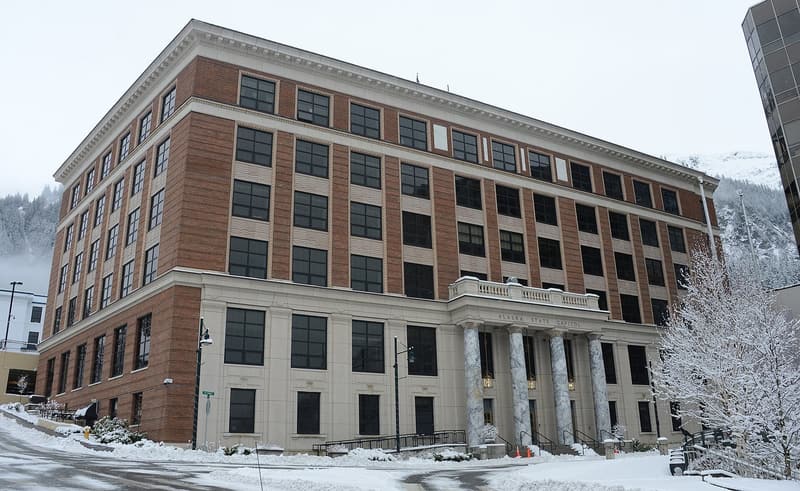
Representative photo · Photo: James Brooks / Wikimedia Commons, CC BY 2.0
Alaska's vast geography and reliance on air transport for ballot delivery have delayed final results in key midterm races, including the closely watched Senate contest.
While global observers often wonder why the American market is down today or how national trends shift, the delay in Alaska’s midterm election results is rooted in unique logistical challenges. For the past several weeks, Alaska Seaplanes has been transporting ballots alongside passengers and medical supplies, highlighting the complex journey votes take across the largest state in the United States. Unlike other regions, Alaska relies heavily on air and water transport, making the collection of ballots from remote villages a time-consuming process.
The logistical puzzle of remote voting
While urban districts can transport election materials quickly, smaller, isolated communities face significant hurdles. In many cases, local residents manage the voting process for their neighbors, sealing ballots in containers to be sent via mail and regional carriers. These ballots eventually reach the state capital of Juneau, which is only accessible by plane or boat, for final scanning and counting. Experts note that election officials have prioritized accuracy over speed, allowing for the arrival of mail-in ballots that can take up to 15 days for overseas voters if postmarked by election day.
Alaska's reliance on air transport and mail-in ballots causes delays in final midterm election results.
The current suspense surrounds the Senate race between incumbent Republican Dan Sullivan and Democratic challenger Mary Peltola. Officials expect to have all eligible ballots processed by November 18. If no candidate secures more than 50% of the vote, the state will utilize a ranked-choice system to re-allocate votes from lower-scoring candidates. Meanwhile, legal disputes continue, including a rejected lawsuit from the Trump administration alleging irregularities and a denied request for data regarding rejected absentee ballots.
Why it matters
The extended counting process highlights the complexities of democratic participation in geographically challenging regions. For Alaskans, this means waiting over a week longer than the rest of the country to confirm the winners of critical seats in the Senate, the governorship, and the House of Representatives. While the delay is a standard part of the state's logistical reality, it remains a focal point of intense political scrutiny and legal challenges regarding election integrity.
Sources
More like this

Indonesia Wiretapping Scandal Shakes Leadership
Can Netanyahu launch a strike on Iran before he leaves office?

EU Foreign Policy Chief Warns Europe Against Russia’s Traps in Ukraine Talks