Why Ghana Housing Investment Fails to Reach the Masses
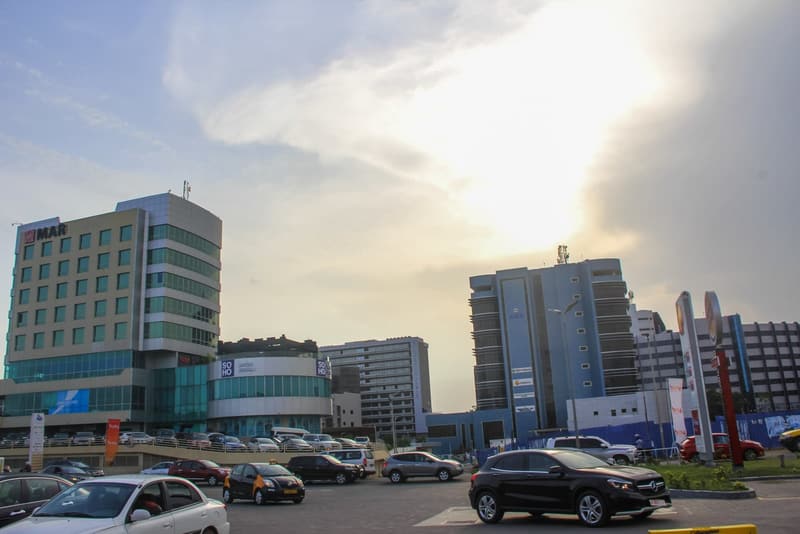
Representative photo · Photo: Synth85 / Wikimedia Commons, CC BY-SA 4.0
Despite rising investment in construction, Ghana’s housing market remains largely inaccessible to most citizens due to a mismatch between delivery costs and household purchasing power.
While global observers often ask why Ghana continues to navigate complex economic challenges, the nation's housing sector presents a specific, stubborn dilemma. Ghana requires over 1.8 million new homes, yet the current wave of development is failing to reach the average citizen. Industry experts, policymakers, and investors gathered recently at the Africa Real Estate Conference & Expo in Accra to address this divide, noting that while construction plans are expanding, housing remains unaffordable for roughly 95 percent of the population.
The core issue is a mismatch between high delivery costs and the limited purchasing power of households.
Bridging the Gap
Government efforts to stimulate the market include the National Homeownership Fund, which has reduced mortgage rates to 8.4 percent, and a three-billion-cedi revolving fund for public sector workers. Despite these interventions, the informal sector—which constitutes a large portion of the workforce—struggles to secure financing due to a lack of formal banking records. President John Dramani Mahama recently emphasized that banks must develop alternative assessment methods to include these workers in the housing market.
For developers, the hurdles are equally significant. Samuel Amegayibor of the Ghana Real Estate Developers Association points to the difficulty of securing land and the high cost of infrastructure. Developers often bear the burden of extending water and electricity lines, costs that are eventually passed on to buyers. Furthermore, with 70 percent of construction materials imported, the industry is highly susceptible to fluctuating taxes and import costs. While local manufacturing could theoretically lower prices, there is no guarantee these savings would be passed to consumers rather than increasing developer margins.
Addressing the Rental Crisis
Beyond ownership, the rental market presents its own barriers. Although the Rent Act of 1963 limits advance payments to six months, landlords frequently demand one to two years of rent upfront. The government has introduced enforcement measures and digital tools, such as the FirstKey app, to curb illegal demands. Additionally, the proposed Easy Rent programme aims to have the National Housing Fund cover rent advances for workers, who would then repay the amount in monthly installments. However, these measures do not resolve the fundamental shortage of homes priced for low- and middle-income earners, who make up 70 percent of the population.
Why it matters
The housing crisis in Ghana highlights the limitations of purely investment-driven development when infrastructure and material costs remain high. It affects millions of urban dwellers who are priced out of the market, forcing a reliance on incremental, long-term self-construction.
Sources
More like this

Newport Aviation Firm AerFin Acquired by ORIX Aviation in £475m Deal
Poundland US Owner Says Retailer Remains Vulnerable After Ministerial Talks
Why London Is So Expensive: Price Variations Across the Capital