Australian home values fall for seventh consecutive month amid rising interest rates
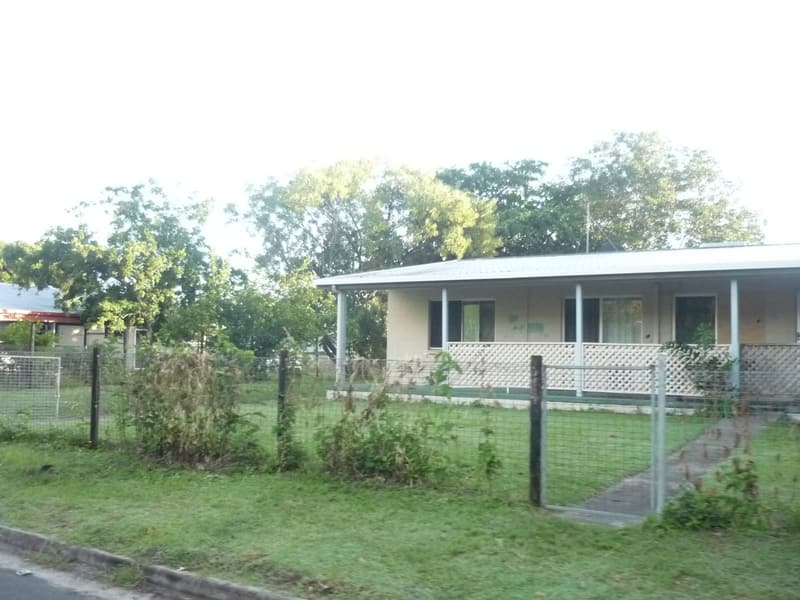
Representative photo · Photo: Q8682 / Wikimedia Commons, CC BY-SA 4.0
Australian property prices have dropped for a seventh consecutive month as rising interest rates cool buyer demand and shift the downturn to mid-sized capitals.
Australian home values have declined for a seventh consecutive month, with capital city prices dropping at their fastest pace in forty years as higher mortgage rates deter potential buyers. Data from Cotality indicates that the center of the current market downturn is shifting away from Sydney and Melbourne toward mid-sized state capitals, with Brisbane and Perth leading the recent monthly declines. Combined property values across all state and territory capitals fell 1.4% over the month, bringing total capital city home value losses to 8.1% since March.
Tim Lawless, research director at Cotality, noted that the property correction has become broad-based following an extended period of extreme growth. Mid-sized capitals are experiencing significant pullbacks, with virtually every suburb across Brisbane, Perth, and Adelaide registering drops over a recent three-month period. This widespread weakness comes as home values are tracked closely by prospective buyers monitoring regional home values amid ongoing economic shifts.
Driving Factors Behind the Property Correction
The real estate market has faced mounting pressure from four interest rate hikes within the year, alongside widespread expectations of another monetary policy adjustment. Economists project further double-digit declines, with Morgan Stanley forecasting peak-to-trough price reductions of up to 15%. Analysts identify high borrowing costs as the primary downside driver, compounded by affordability constraints and reduced participation from property investors following tax adjustments.
Despite the rapid pace of the current downturn, experts emphasize that most property owners retain substantial gains accumulated over the past decade. Long-term appreciation leaves markets well above historical baselines, meaning recent drops primarily erase a portion of the exceptional post-pandemic growth rather than creating systemic financial distress. Furthermore, housing experts suggest major markets like Sydney and Melbourne may be approaching their cyclical floor, while mid-sized capitals remain in earlier phases of correction.
Rising mortgage rates have driven Australian home values down for a seventh consecutive month.
Rental markets have simultaneously shown signs of softening, with national vacancy rates ticking upward and rental price growth moderating. Analysts attribute the rising availability of rentals partly to shifting household compositions, as affordability pressures lead more tenants to share accommodations rather than live alone.
Why it matters
The ongoing property correction changes housing market dynamics across Australia, easing competition for buyers while reducing paper wealth for homeowners. Although rising interest rates have successfully cooled extreme price growth, the broader long-term gains built over the past decade mean that most property holders continue to sit on sizeable overall profits.
Sources
More like this

US-China Trade War: The Hidden Escalation Behind the Calm

Qatar LNG Carrier Struck by Unidentified Objects in the Gulf

Bangladesh forms wage board after garment protests