Democrats Secure Congressional Majorities in US Midterm Elections
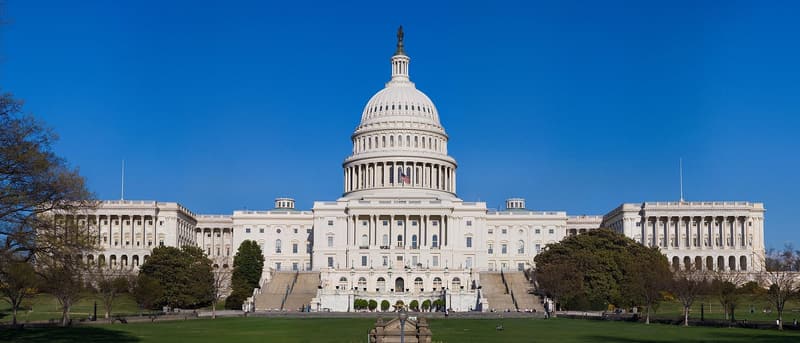
Representative photo · Photo: Noclip / Wikimedia Commons, Public domain
A significant Democratic surge has shifted control of both the US House and Senate, ending Republican majorities in a high-turnout election.
The 2026 midterm elections have resulted in a notable political shift, as voters turned out in near-record numbers to reshape the United States Congress. By visualising the nation through the latest election data, it becomes clear that a Democratic wave has successfully stripped President Donald Trump’s Republican party of its majorities in both the House of Representatives and the Senate. According to preliminary estimates from the University of Florida’s Election Lab, approximately 122.7 million ballots have been tallied, representing 48.76 percent of the eligible population—the second-highest midterm turnout in over a century.
Shifting Political Power
As of November 5, Democrats have secured at least 240 seats in the House and 54 in the Senate. While some races remain uncalled, these results are sufficient to grant the party control over both chambers. Republicans currently hold 147 House seats and 44 in the Senate. Democrats achieved this by flipping at least 31 Republican-held districts in the House and seven seats in the Senate. Notable victories occurred across the South and Midwest, with Democrats winning seats in states including Texas, Kansas, South Carolina, Iowa, Maine, North Carolina, and Ohio.
A Democratic surge has flipped control of both the US House and Senate, ending Republican legislative dominance.
In Texas, the results were particularly historic. James Talarico secured a Senate seat, marking the first time a Democrat has held the position since 1993. Additionally, Gina Hinojosa was elected as the state’s first Latina governor. Similar breakthroughs occurred elsewhere, with Kansas electing its first Democratic senator since 1932 and South Carolina its first since 2005. Democrats also successfully defended all their existing seats, including those held by new candidates.
Legislative Implications
Control of the House provides Democrats with the authority to lead committees, investigate the administration, and block Republican-led legislation. However, President Trump retains veto power over bills passed by Congress. Overriding such a veto would require a two-thirds majority in both chambers, a threshold Democrats have not reached. The current Congress will remain in power until the new members are sworn in on January 3, 2027.
Why it matters
The shift in congressional control significantly alters the legislative landscape for the final two years of President Trump’s term. By securing the House and Senate, Democrats gain the ability to challenge the administration's agenda and conduct oversight, fundamentally changing the balance of power in Washington.
For observers globally, this transition impacts the trajectory of US policy, which often influences international relations and economic frameworks. The high voter engagement underscores a deeply divided electorate, and the resulting legislative gridlock or compromise will define American governance until the next session begins.
Sources
More like this

Elderly Voters Play Pivotal Role in Lula’s Historic Election Victory in Brazil

Poll shows rural voters felt left behind before midterm elections

Reproductive rights protected in several states by midterm election ballot measures