US-Funded Hepatitis B Vaccine Trial Cancelled in Guinea-Bissau Amid Ethical Concerns
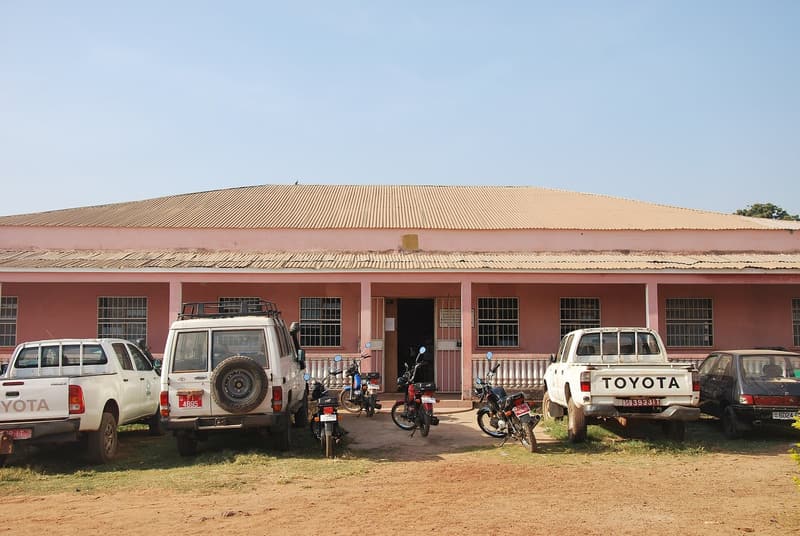
Representative photo · Photo: Magnus Nortoft / Wikimedia Commons, CC BY-SA 4.0
A controversial research project involving newborns has been halted following accusations of unethical practices and neocolonialism.
A planned clinical trial for a hepatitis B vaccine in Guinea-Bissau has been cancelled after facing intense scrutiny over its ethical standards. The study, which was set to involve 14,000 newborns, was funded by the United States government through a $1.6 million grant awarded to the University of Southern Denmark in late 2025. Many stakeholders are left asking why the government got funded for a project that drew significant international condemnation.
Ethical concerns and research protocols
The project was designed to be conducted at the Bandim Health Project, a research facility operating in the country since 1978. Under the proposed design, half of the participating infants would have received a hepatitis B vaccine shortly after birth, while the other half would have been denied the intervention. Researchers argued that because Guinea-Bissau does not currently include this vaccine in its routine birth-dose schedule, they had a unique opportunity to study potential broader health effects. However, critics labeled the approach as neocolonial, arguing that vulnerable populations were being subjected to risks that would not be tolerated in wealthier nations.
The World Health Organization (WHO) representative in Guinea-Bissau, Walter Kazadi Mulombo, expressed deep concern, noting that there was no publicly available protocol for the study. He emphasized that withholding a vaccine proven to protect against a virus that affects nearly 20% of the local population is fundamentally unethical. With chronic hepatitis B infections leading to liver failure or cancer in up to 25% of cases, the decision to withhold the dose was viewed as a direct threat to infant safety.
Government intervention and suspension
Local authorities took decisive action to stop the trial. In January, the government of Guinea-Bissau prohibited all hepatitis B vaccine trials involving children. Despite this, reports emerged suggesting the study might still proceed, sparking outrage from Health Minister Quinhin Nantote, who stated that she had not been informed of any such development. Following these reports, police seized a batch of vaccines from the research center. The government has since requested assistance from the Africa Centres for Disease Control and Prevention to evaluate the situation, while the WHO is working with officials to accelerate the introduction of a routine birth-dose immunization program by early next year.
The trial was halted after critics condemned the plan to withhold a proven vaccine from newborn babies.
Why it matters
The cancellation of this trial highlights the critical importance of ethical oversight in international medical research. It underscores the tension between experimental goals and the responsibility to provide established, life-saving healthcare to vulnerable populations. For global health authorities, the incident serves as a reminder that standard WHO-recommended interventions should not be withheld for the sake of research in developing regions.
Sources
More like this

Israel Restricting Treatment for 1100 Child Amputees in Gaza: NGO

WHO Approves Trials for Two New Ebola Vaccines Amid DRC Outbreak

British healthcare worker with Ebola to be evacuated from DR Congo to UK