Sudan War Triggers Surge in Drug Addiction Amid Widespread Traumas
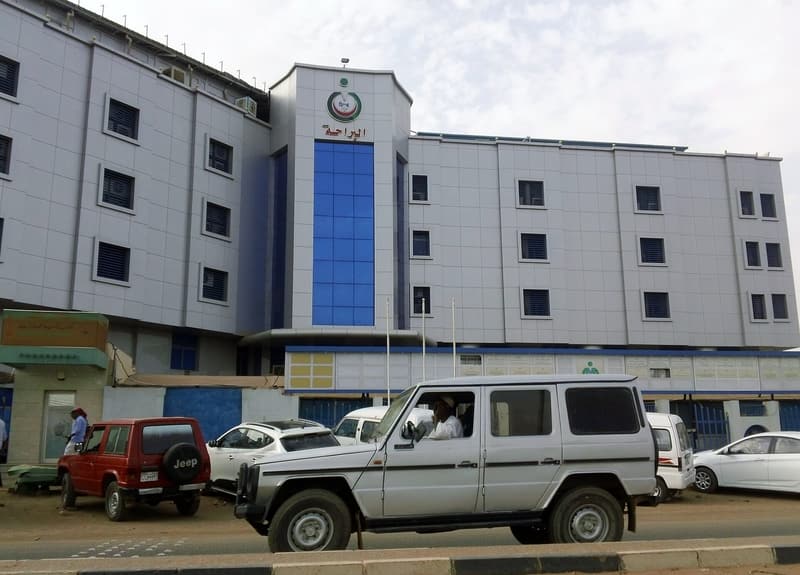
Representative photo · Photo: ASIM / Wikimedia Commons, CC BY-SA 4.0
The ongoing conflict in Sudan has led to a humanitarian crisis, with many young people turning to drugs as a coping mechanism for severe war-related traumas.
The conflict in Sudan, which erupted in April 2023, has left millions of civilians facing severe psychological burdens, with many experiencing deep traumas that have led to a rising wave of drug addiction. As the war between the Sudanese Armed Forces (SAF) and the Rapid Support Forces (RSF) continues to displace millions, the collapse of social structures and security has created a fertile environment for the illicit drug trade.
For many young people, the horrors of witnessing violence, the loss of loved ones, and the loss of educational opportunities have become unbearable. In their search for an escape, individuals are increasingly turning to substances such as cannabis, tramadol, and the highly addictive amphetamine Captagon. Reports indicate that drug availability has surged in areas previously under the control of paramilitary groups, where trafficking networks have expanded significantly.
The humanitarian crisis in Sudan has triggered a dangerous surge in drug addiction among displaced youth.
Addressing the Crisis of Traumas
Medical institutions are struggling to keep pace with the growing demand for addiction recovery services. The Qadreen Center for Addiction Treatment in Khartoum has reported a significant increase in patients seeking help since the war began, treating thousands for both psychological support and substance dependency. Despite these efforts, the lack of security and the erosion of state institutions have hampered the ability of health services to effectively manage the crisis.
Government officials have noted an increase in drug production facilities, particularly in areas retaken by the SAF. Seizures of manufacturing equipment and large quantities of narcotics have become more frequent, highlighting a shift in the country’s illicit trade landscape. Experts warn that for many, these substances are not merely a choice but a desperate response to the instability and poverty caused by the ongoing power struggle.
Why it matters
The escalation of drug abuse in Sudan signifies a profound breakdown in social welfare and security, leaving a generation of young people vulnerable to long-term health consequences. This crisis disproportionately affects displaced populations who lack basic support systems.
While the conflict is localized, the proliferation of illicit drug manufacturing and the expansion of trafficking networks pose a broader regional concern. The inability of health services to address these needs ensures that the cycle of addiction and trauma remains a critical challenge for the nation's future stability.
Sources
More like this

Byron Bay Doula Inquest Hears Conflicting Accounts After Newborn Death

NHS Records Breach: Deeply concerning reports of staff snooping

What’s in the air you breathe? How to stay safe during smog season