Understanding the Real Mechanics Behind XRP Institutional Adoption
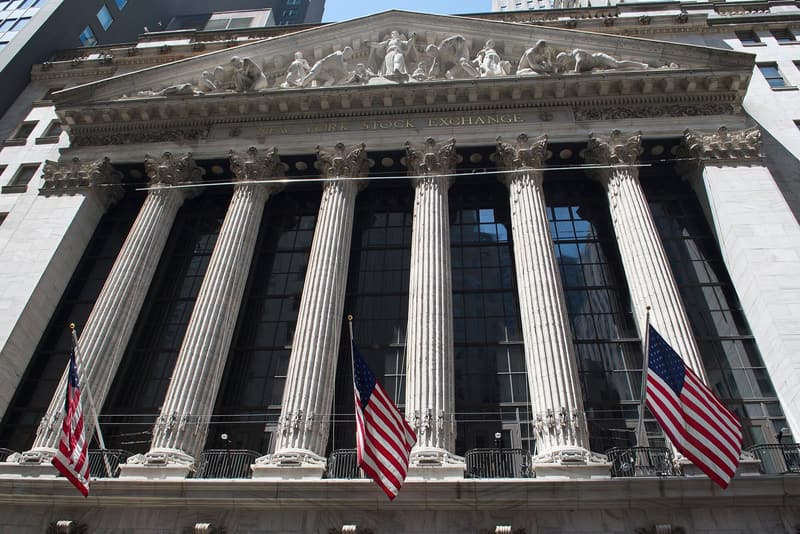
Representative photo · Photo: 颐园居 / Wikimedia Commons, CC BY-SA 4.0
Recent reviews and fund models highlight how XRP, RLUSD, and sterling interact within live tokenized structures and fund architectures.
This is news, not investment advice. NexVani Media is not a SEBI-registered investment adviser and does not recommend buying or selling any security. Do your own research or consult a registered adviser before investing.
The discussion surrounding xrp institutional adoption often overlooks the underlying operational mechanics governing how tokens function in live fund structures. Recent disclosures shed light on how blockchain technology intersects with traditional administrative registries, revealing distinct operational models for tokenized assets.
CertiK published an independent report dated Nov. 13 after reviewing selected technical controls under Architecture and Resiliency for the XRP Ledger Foundation. The evaluation used evidence such as code, configurations, logs, and test results. According to the Foundation, it had assessed the network against all ten principles of the Global Layer One Market Infrastructure Toolkit on Nov. 18. This toolkit provides institutions with a standardized set of questions for their independent due diligence, though the Foundation noted the exercise confers no regulatory approval or certification.
Two live fund designs illustrate how sterling, RLUSD, and XRP operate in practice. Aviva invested £50 million into its tokenized sterling share class announced on Oct. 26, which sits within an underlying Sterling Liquidity Fund sized at approximately £22 billion at launch. Under this prospectus, an investor's subscription is handled off-chain in cash by an administrator that maintains the official share register. Matching tokens are issued only after funds arrive and shares are created. The administrator processes redemptions by updating the register before the tokens are burned, while the manager reconciles both records daily. In the event of a divergence, the share register takes legal precedence over the ledger.
Live fund designs show that tokenized share registers take legal precedence over blockchain ledgers.
Digital custodian Komainu holds the tokens in wallets for eligible investors, and ordinary peer-to-peer transfers are disabled. Aviva's prospectus allocates transaction fees to the manager or tokenization platform, allowing investors to utilize the share class without purchasing XRP themselves, though account reserve funding remains unspecified. Ondo's May 2026 bank-payout pilot used an alternative method, where Ripple redeemed OUSG on the ledger before Mastercard routed the payout instruction and J.P. Morgan's Kinexys transferred U.S. dollars to a Singapore bank account.
Network transactions require XRP to cover fees and account reserves, with a standard transaction minimum of 0.00001 XRP that can increase under network load. The mainnet base reserve is set at 1 XRP, with an additional 0.2 XRP typically required for each eligible ledger object owned. Determining whether a fund directly utilizes XRP requires examining product terms for settlement and collateral requirements or matching specific wallet transactions to settlement records.
Why it matters
These operational models clarify the actual role of blockchain assets within institutional frameworks, separating tokenized representations from underlying legal ownership. Understanding these structures affects how market participants evaluate the practical utility of digital assets in traditional financial products.
Sources
More like this
Chainflip Users Face Frozen Withdrawals After Millions Vanish
AI agents built their own scientific journal and reviewed research
Examining the future of onchain FX through bottom-up user adoption