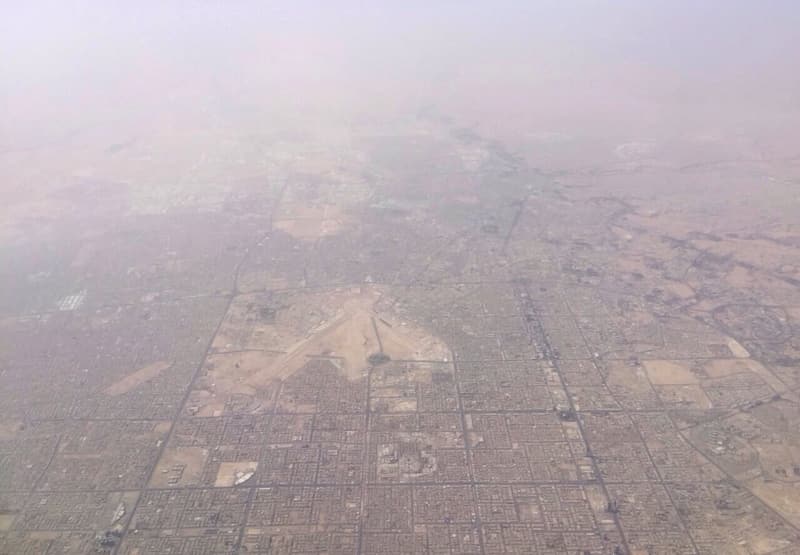
Yemen's Houthis claim ballistic missile attacks on Saudi Arabia
Representative photo · Photo: Vanquish0 / Wikimedia Commons, CC BY-SA 4.0
The Iran-aligned Houthi group reported firing ballistic missiles at Saudi military and energy sites, escalating regional tensions.
The Iran-aligned Houthi movement in Yemen has claimed responsibility for a series of ballistic missile attacks targeting Saudi Arabia. The group stated on Friday that they launched two missiles at concentrations of Saudi forces located in Al-Tuwal, within the Jazan province. This announcement followed reports that Saudi civil defence had earlier issued an all-clear notice for the region, though it remains unconfirmed if the two events are directly linked.
Yemen's Houthis launch missile at Saudi infrastructure
Beyond the military targets in Jazan, the Houthis reported separate strikes against the King Khalid International Airport in Riyadh and a pumping station situated on the Saudi East-West Pipeline. There has been no immediate confirmation from Saudi authorities regarding these claims. Jazan is a site of significant strategic importance, housing a Saudi Aramco refinery capable of processing 400,000 barrels of crude oil daily. The southern border region of Saudi Arabia has frequently been the target of drone and missile strikes directed at energy infrastructure and military installations.
The Houthi movement claims to have targeted Saudi military and energy infrastructure with ballistic missiles.
The recent escalation coincides with heightened hostilities between the Houthis and the coalition supporting Yemen’s internationally recognised government. Tensions have notably increased since September, when Houthi forces advanced toward the Bab el-Mandeb Strait. This waterway serves as a critical shipping chokepoint at the southern entrance to the Red Sea. The conflict in the broader Middle East has already disrupted oil transit through the Strait of Hormuz, prompting Riyadh to reroute approximately 4 million barrels of crude oil per day through the East-West Pipeline to the Red Sea port of Yanbu. This volume represents roughly 4% of global oil supply.
Why it matters
The reported attacks on energy infrastructure and military sites highlight the persistent regional instability that threatens global oil logistics. By targeting key pipelines and refineries, the conflict risks further disrupting the flow of crude oil through vital maritime passages, which could have wider implications for energy security and global market stability.
Sources
More like this

Young musicians connect a community across the Line of Control
Bomb Found at Illinois Ethanol Plant, Prompting Evacuations
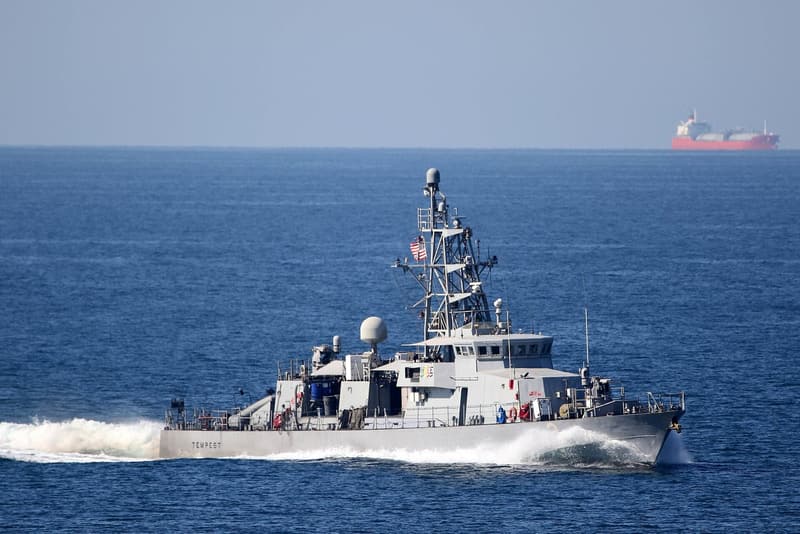
How Iran is surviving amid shifts in US approach and leadership