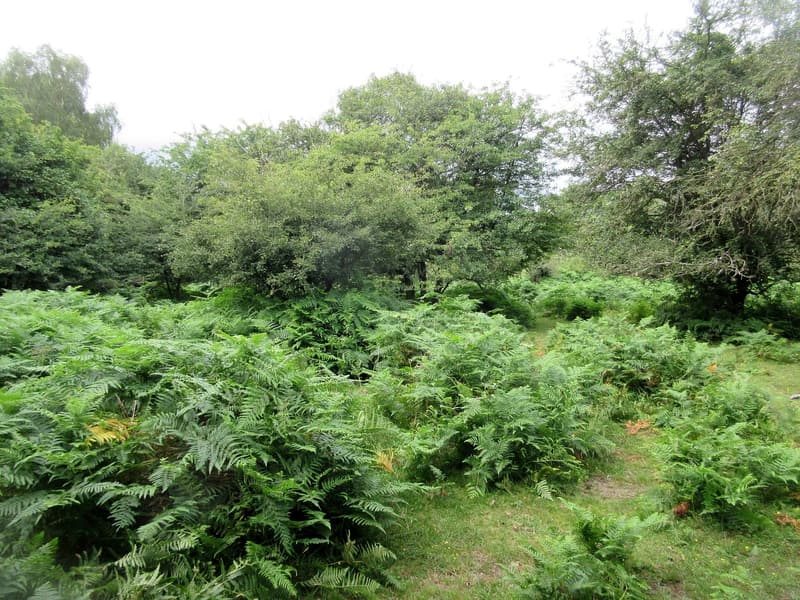
New Forest Wildfire Restoration Work Begins After Summer Blaze
Representative photo · Photo: Peter Holmes / Wikimedia Commons, CC BY-SA 2.0
Specialist teams have started long-term restoration work to help nature recover following a destructive summer wildfire in the national park.
Specialist teams have officially initiated a long-term project to restore the ecosystem at a national park site following a devastating new forest wildfire this summer. The blaze, which ignited from a burning van on August 9, consumed more than one square kilometer of protected landscape. The flames caused severe harm to rare heathland and ancient woodland, while also burning through surface peat layers in boggy zones and diminishing their carbon-storage capacity.
Forestry England announced that crews are currently working to safeguard the most vulnerable terrain ahead of winter conditions while spreading heather seed across damaged zones. The agency explained that the fire swept across the heathland, eradicating surface vegetation before moving underground to destroy root systems and seed banks. At its peak, the incident forced the closure of the A31 between Hampshire and Dorset for nearly two weeks, contributing to an expensive season for local emergency services with firefighting costs estimated at £600,000.
Dave Morris of Forestry England recalled the stark landscape left behind by the fire, describing the terrain as piles of charcoal, scorched soil, and burned trees. Despite the initial devastation, staff immediately mobilized to assist the recovery process. Workers harvested seed-rich heather from surrounding areas and dispersed it over heavily damaged spots to establish a protective mat that stimulates new growth. A similar strategy was deployed after a previous fire in 1989, and that location has since fully recovered.
Protecting Ancient Trees and Bogs
Crews are simultaneously evaluating methods to protect the vulnerable root structures of ancient oak and beech trees that suffered harm during the fire. In contrast, the boggy sections of the park sustained minimal damage because moisture levels acted as a natural barrier against the flames. Morris noted that these wetter areas are rebounding rapidly, serving as a testament to the resilience of nature and showing early signs of returning wildlife.
Specialist teams are working to restore a national park area damaged by a severe summer wildfire.
Why it matters
This long-term restoration effort marks the beginning of healing for a vital protected habitat that supports rare species and ancient trees. The project affects local ecosystems, tourism routes, and regional environmental management by actively repairing carbon-storing peatlands and vulnerable woodlands over the coming decades.
Sources
More like this
Ten Years After Paris Agreement, Are Climate Talks Making Any Progress?
Famous New Mexico Rock Formation Destroyed After Heavy Rains
Understanding What Paris Agreement Means for Global Climate Targets