
National Trust votes to seek new bank over fossil fuel ties
Representative photo · Photo: Bikeboy / Wikimedia Commons, CC BY-SA 2.0
Members of the National Trust voted overwhelmingly to replace Barclays as its banking partner due to concerns over fossil fuel investments.
Members of the National Trust have voted overwhelmingly to seek a new banking partner, marking a significant victory for campaigners who argued the charity's relationship with Barclays conflicted with its environmental commitments. The resolution, backed by the board of trustees at the annual general meeting on Saturday, instructs the organisation to begin a competitive tendering process for its banking arrangements. Campaigners noted the result of 53,256 votes in favour and 4,094 against sent a clear message regarding ethical standards in financial relationships. This decision means the upcoming tendering process will center on whether prospective banks show a commitment to protecting biodiversity and reducing climate change. However, insiders suggested the transition may take at least a year, and the board noted that major UK clearing banks must remain eligible because specialist ethical banks lack the required operational scale. The vote follows prolonged pressure over Barclays' financing of oil, gas expansion, and infrastructure. Proponents of the resolution argued that the current association undermines the charity's conservation mission, particularly as the trust faces escalating impacts from extreme weather, such as a major wildfire at Dunwich Heath that destroyed ancient heathland. Drew James, a proposer of the resolution, stated that civil society expects charities and NGOs to sever ties with financial institutions failing to match their ethical standards. In contrast, Restore Trust chair Cornelia van der Poll argued the vote was a distraction from the charity's primary purpose of maintaining historic buildings and the countryside. Barclays defended its role, emphasizing its support for sustainable and transition finance, noting it has facilitated billions for cleaner energy projects. ## Why it matters This decision highlights an evolving expectation for major NGOs and charities to align their financial partnerships with their stated conservation goals. The outcome affects how large membership organizations approach institutional banking and places scrutiny on the environmental policies of major financial service providers.
Sources
More like this

Rain Inundates Gaza as Damaged Buildings Risk Collapse

Heavy Rains Flood and Damage Displacement Tents Across Gaza
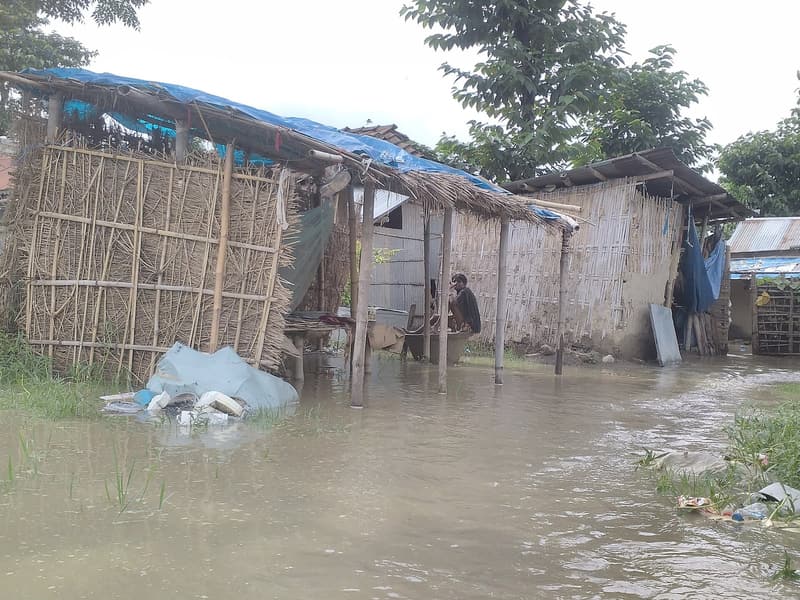
Nepal fights to rebuild after devastating flood disaster