
Brisbane Backyard Records Over 500 Animal Species
Illustration: NexVani Media
A suburban garden in Brisbane has recorded visits from 540 animal species, highlighting the ecological value of sustainable urban backyards.
A residential property located in East Brisbane has documented an extraordinary number of visiting animals over a multi-year period, offering new insights into urban ecology. Between 2003 and 2026, researchers tracked 540 distinct animal species utilizing a domestic Brisbane backyard measuring 650 square meters. The effort was spearheaded by television presenter Jerry Coleby-Williams and botanist Professor Catherine Pickering from Griffith University.
The findings, which were published in the Royal Society of Queensland journal, show that the majority of visiting wildlife consisted of invertebrates, making up 88 percent of all recorded animals. Additionally, the suburban space hosted 47 arachnid species and a diverse group of vertebrates, ranging from common urban animals to apex predators such as owls, goshawks, and carpet pythons. The data collection relied on daily observations and photography captured by the homeowner, which were subsequently validated through professional taxonomic expertise.
Biodiversity in Brisbane Backyard Habitats
The research team attributes the high species count to the property's extensive plant variety, which exceeds 500 species, alongside deliberate habitat complexity. The garden operates without routine chemical pesticides, utilizing composting, mulching, companion planting, and water-sensitive design principles instead. Professor Pickering noted that such domestic spaces can function as vital ecological stepping stones and wildlife habitats as cities continue to expand and private green spaces diminish.
Sustainable suburban gardens can serve as crucial biodiversity hotspots in increasingly dense urban environments.
Why it matters
This study demonstrates that individual homeowners can actively support local wildlife by implementing sustainable gardening practices and avoiding chemical pesticides. The results carry significant implications for future urban planning and municipal biodiversity initiatives, emphasizing that even small private plots contribute meaningfully to regional ecosystems.
Sources
More like this

Wreck of Australia’s first locally-built warship found after 128 years
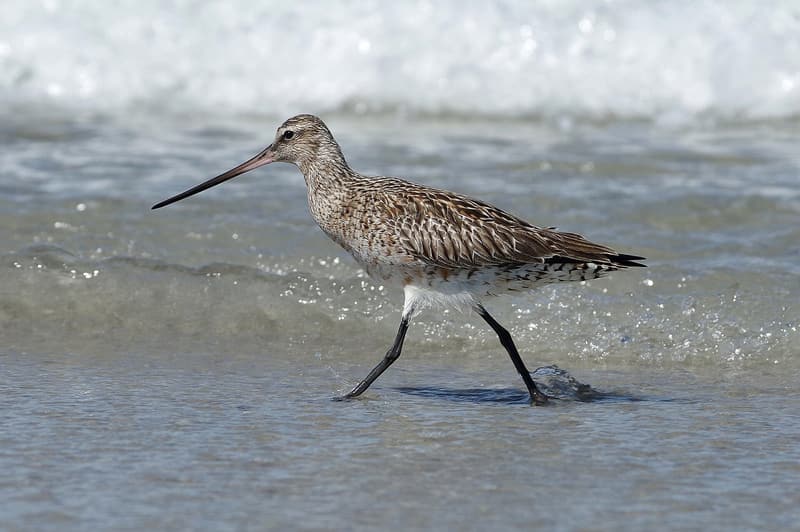
Phil the bar-tailed godwit completes 6,800-mile migration to Siberia

NASA Voyager 1 Reaches One Light-Day Distance