CPS Prosecutor Cites Imaginary Case in Court After AI Search Error
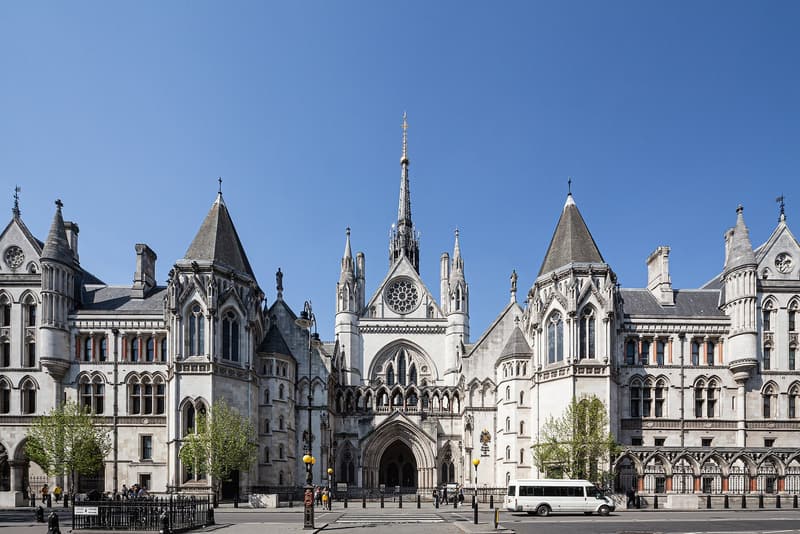
Representative photo · Photo: This image was produced by me, David Cas / Wikimedia Commons, CC0
A senior CPS prosecutor cited a nonexistent legal precedent in a high court case, highlighting growing concerns over AI hallucinations in the justice system.
A senior crown prosecutor has faced scrutiny after citing an imaginary legal precedent in a high court case, marking another instance of what experts describe as a serious failure in the application of justice. Ravinder Dhillon, representing the Crown Prosecution Service (CPS), referenced a fabricated case while arguing against the legal challenge of a boy facing prosecution for the alleged rape of his younger sister. Court documents reveal that the citation, labeled as CPS – R v J [2024] EWCA Crim 3529, does not exist.
Legal experts and judges have criticized the error, which reportedly stemmed from an AI-generated summary obtained during an internet search. While the High Court noted that the fictitious reference did not alter the outcome of the boy's challenge, the incident has reignited debates regarding the reliability of artificial intelligence in legal proceedings. Brian Flanagan, an associate professor of law, emphasized that relying on fabricated authorities undermines the integrity of the legal system, noting that the state has a heightened responsibility to ensure accuracy.
The risks of a serious failure
The CPS admitted the error in October, stating that the citation was intended to refer to a real decision made 15 years ago. This incident is the second known case involving the CPS where AI-related errors have occurred, following a February admission regarding an extradition case. The agency maintains a strict policy requiring human verification of all legal research, and officials confirmed that an internal review was conducted to prevent future recurrences. The CPS stated it has shared learnings with staff to ensure that all case law is sourced from trusted legal repositories.
The use of AI-generated legal precedents by a senior prosecutor has sparked concerns over justice system integrity.
This event contributes to a growing list of AI-related errors in the UK legal sector, with a tracker maintained by barrister Matthew Lee recording over 100 entries. These incidents range from housing disputes to banking cases, leading the High Court to urge professional bodies to address the misuse of technology. As legal professionals increasingly rely on digital tools to save time, the risk of hallucinations remains a significant challenge for the administration of justice.
Why it matters
The reliance on AI-generated misinformation in court proceedings threatens the foundational trust required for the rule of law. When state prosecutors inadvertently present false evidence, it creates additional burdens for defense barristers who must verify the authenticity of every citation.
This trend serves as a warning for legal systems globally, including in regions like South Asia, where digital transformation in courts is accelerating. Ensuring that human oversight remains central to legal research is essential to maintaining public confidence and preventing the erosion of established legal norms.
Sources
More like this
Apple Faces Supply Uncertainty for Foldable iPhone Following Rapid Sell-Out

AI-powered malware likely to threaten UK infrastructure by 2028