AI Data Centres and Water Usage Concerns Threaten UK Net Zero Goals
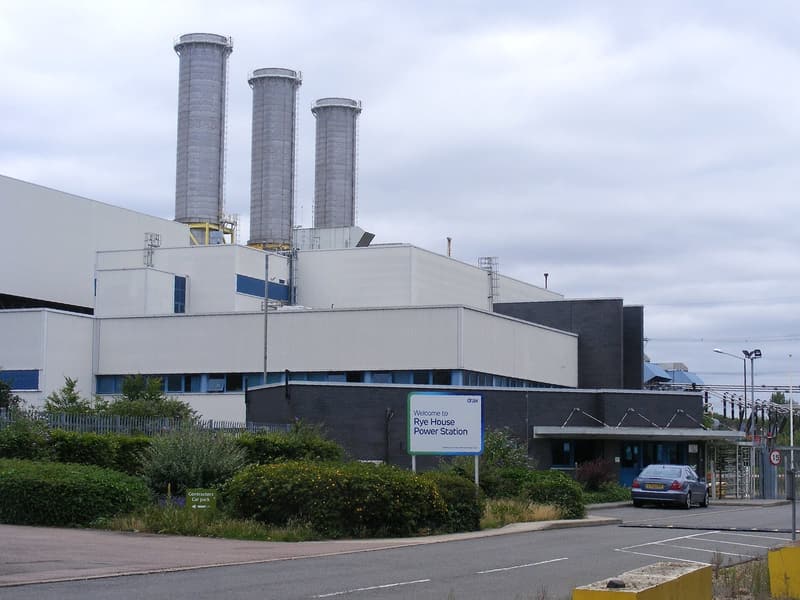
Representative photo · Photo: sludgegulper / Wikimedia Commons, CC BY-SA 2.0
New government policies allowing on-site gas power for AI data centres could jeopardise the UK's 2050 net-zero climate targets.
The rapid expansion of artificial intelligence technology is driving a surge in demand for large-scale infrastructure, leading to concerns regarding Data Centres and water usage as the industry seeks to power its operations. While these facilities are essential for modern digital services, including banking and streaming, a new generation of hyperscale centres requires significantly more energy than previous iterations. With the National Grid currently struggling to meet demand, some developers face wait times of up to a decade for connections.
In response to these constraints, the UK government has introduced a Data Centre Covenant, which offers priority grid access in exchange for community investment and job creation. However, the policy also permits developers to generate electricity on-site when grid connections are unavailable. Investigations have revealed that four planned hyperscale facilities are considering using gas-fired power stations to bridge this gap. If these sites operate at full capacity, they could collectively generate 4.1 million tonnes of carbon emissions annually, potentially exceeding the combined output of Manchester, Liverpool, and Southampton.
Environmental and Infrastructure Impacts
The scale of the energy demand is substantial. Ofgem reports that developers are seeking connections totalling 72 gigawatts, far exceeding the 45-gigawatt peak demand recorded across the UK last year. Nathan McWhinnie of Ofgem noted that many grid locations are at capacity, with some projects rivaling the energy requirements of entire cities. For instance, a proposed site in Bedfordshire would require 1 gigawatt of power, equivalent to the usage of hundreds of thousands of homes.
Environmental advocates warn that relying on gas-fired generation introduces significant local risks. Beyond carbon emissions, these power stations could increase local air pollution, noise levels, and water consumption. Critics, including local councillors and environmental groups, argue that allowing such developments sets a dangerous precedent that undermines long-term climate commitments. While some developers maintain that integrating renewable energy is a goal, they often cite feasibility as a primary constraint in their planning.
On-site gas power for AI data centres may significantly hinder the UK's 2050 net-zero emissions goal.
Why it matters
This policy shift highlights the tension between the global race for AI leadership and the urgent need to decarbonise national infrastructure. It affects local communities near proposed sites who face increased pollution and resource strain.
For readers in India and South Asia, the situation mirrors broader global challenges where the rapid proliferation of digital infrastructure competes with sustainability objectives. As nations in the region also scale their data centre capacity, the UK's struggle to balance grid limitations with environmental standards serves as a critical case study for energy policy.
Sources
More like this

Charity warns that over-foraging fungi causes environmental damage

Man Accused of Starting Palisades Fire Faces Arson Retrial
Greenpeace creates barrier in North Sea to stop industrial fishing