Charity warns that over-foraging fungi causes environmental damage
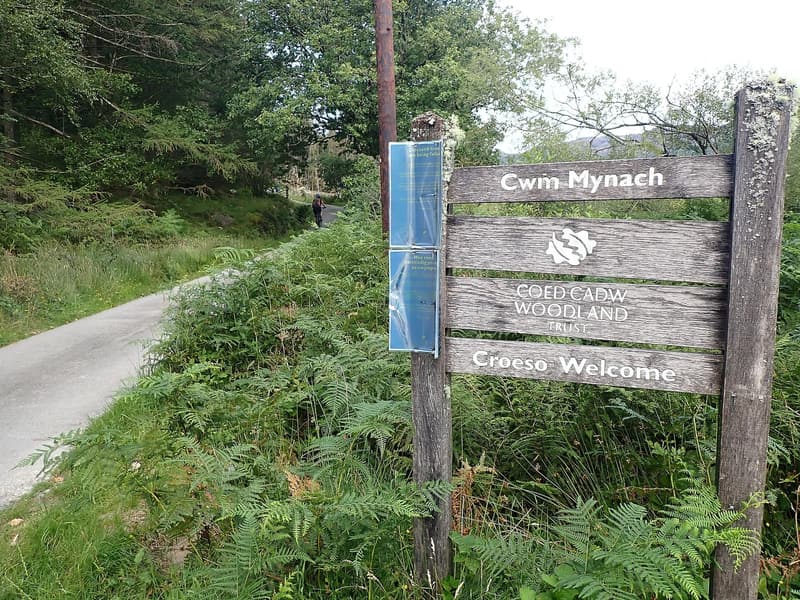
Representative photo · Photo: David Medcalf / Wikimedia Commons, CC BY-SA 2.0
The Woodland Trust warns that unsustainable mushroom picking in protected areas is harming habitats and wildlife by removing essential food sources.
The Woodland Trust has issued a warning regarding the environmental impact of over-foraging in natural spaces, particularly within protected areas. While many view foraging as a way to connect with nature, the charity highlights that the unsustainable collection of plants and fungi can place significant pressure on local wildlife. Understanding the role of a charity in environmental conservation is essential as these groups work to protect fragile ecosystems from human interference.
The impact of commercial foraging
Joe Middleton, a site manager for the Woodland Trust, has observed commercial mushroom pickers entering sites with large bags, systematically clearing path edges. He noted that these individuals often trample the forest floor, causing damage to the habitat. While the Theft Act 1968 allows for the collection of wild fungi for personal use, picking plants for commercial gain or reward without permission is considered criminal theft. Furthermore, foraging is strictly prohibited or heavily restricted in Sites of Special Scientific Interest and other protected lands.
Over-foraging in protected areas damages habitats and removes essential food sources for local wildlife.
Beyond the legal implications, there are ecological concerns. Fungi serve as a vital food source for animals such as badgers and deer during the autumn, as well as for various soil-dwelling organisms. When populations are decimated, these animals lose a critical resource. Additionally, experts warn that the majority of mushrooms are not edible to humans, making indiscriminate picking potentially dangerous for the foragers themselves.
Shifting trends and education
Social media trends have made foraging increasingly fashionable, which some believe is driving more people into the woods. John Dobson, a restaurant owner, suggests that rising ingredient costs may also be encouraging individuals to source food from the wild. He emphasizes the importance of responsible practices, such as only taking a small portion of what is found and ensuring landowner consent is obtained. However, Middleton stresses that there is a broader need for education regarding the impact of these activities.
Instead of removing items from the environment, the Woodland Trust encourages the public to appreciate nature through photography. In a modern technological age, visitors can capture the beauty of the woodlands without disturbing the delicate balance of the ecosystem.
Why it matters
This issue highlights a growing conflict between recreational or commercial foraging and the need for habitat conservation. The depletion of fungi affects the entire food chain, impacting everything from large mammals to soil organisms that cannot move to find alternative food sources. For readers globally, this serves as a reminder that sustainable interaction with nature is necessary to preserve biodiversity in protected areas.
Sources
More like this

AI Data Centres and Water Usage Concerns Threaten UK Net Zero Goals
Man Accused of Starting Palisades Fire Faces Arson Retrial

Greenpeace creates barrier in North Sea to stop industrial fishing