Israel Arab parties emerge as kingmakers after election results
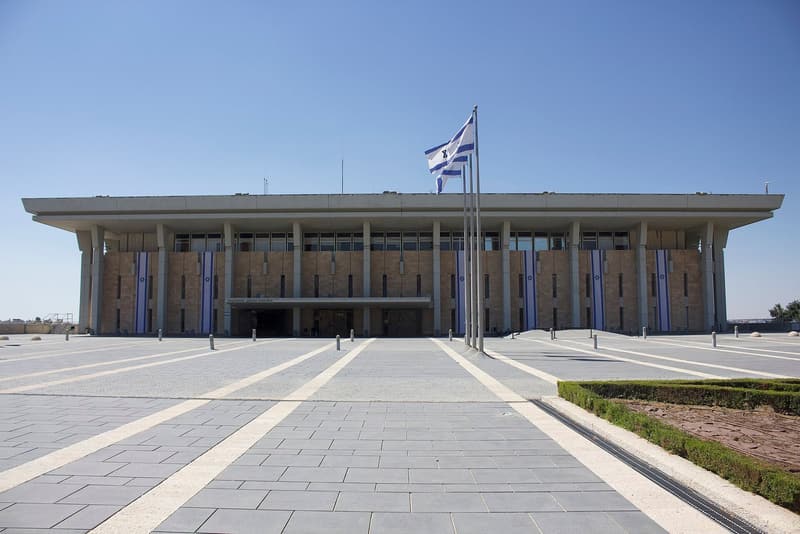
Representative photo · Photo: Clema12 / Wikimedia Commons, CC BY-SA 4.0
Arab coalition leader Yousef Jabareen calls election results a historic opportunity to oust Benjamin Netanyahu and change government policy.
The leader of Israel’s main Palestinian coalition has declared a historic opportunity to alter the nation's political direction following the recent israel election results. Yousef Jabareen, head of the Joint List, expressed readiness to unite with opposition factions to remove Benjamin Netanyahu and his far-right coalition from power and seize control of the Knesset.
Turnout among Arab Israelis, who make up twenty percent of the population, surged to approximately eighty percent, fundamentally transforming the political landscape. Palestinians in Gaza and the West Bank did not participate. Jabareen stated that the primary demand of roughly 840,000 Palestinian Israeli voters was the removal of the Netanyahu government, particularly extreme members such as Finance Minister Bezalel Smotrich and National Security Minister Itamar Ben-Gvir.
Netanyahu’s coalition lost its majority, dropping from sixty-eight to fifty-three seats in the 120-seat Knesset. The opposition Change bloc holds forty-eight seats, positioning the Arab-Israeli parties as potential kingmakers with a record nineteen seats. The Joint List holds eleven, while the Islamist party Ra’am secured eight.
Eisenkot and his allies refuse to form a unity government with Netanyahu, but have placed strict conditions on any potential coalition with Arab parties, requiring them to recognize Israel as a Jewish state, accept conscription, and condemn Hamas. Ra’am has indicated willingness to join an Eisenkot-led coalition, whereas the Joint List plans to support a minority government from the outside via tactical voting to avoid direct participation while the occupation of the West Bank persists.
Arab-Israeli parties hold the balance of power as opposition groups seek to oust Netanyahu.
## Navigating the Political Transition
Forming a new government faces hurdles, as Change bloc leaders must agree on a prime minister candidate and accept Arab party partnership. Jabareen emphasized that the sixty-seven opponents of Netanyahu could use their legislative majority immediately to change the Knesset speaker and oversee the legislative agenda, prioritizing the repeal of laws that undermine judicial independence.
Jabareen also voiced concerns that Netanyahu might attempt to delay political transition by inciting conflict or collaborating on military actions abroad, urging the opposition to present a clear opposing voice against any new military agenda.
Why it matters
This political shift could fundamentally alter Israel's governance, civil rights policies regarding its Arab minority, and legislative priorities. By holding the balance of power, Arab-Israeli factions have the unprecedented chance to influence national policy and push for an end to systemic discrimination.
Sources
More like this
Can Americans Find Common Ground Despite Deep Political Divisions?
How Democrats Are Changing Their Approach to Climate Policy

Burnham Declines to Say Net Migration Is Too High Amid Shabana Mahmood ILR Changes