Ukraine Emergency App Target of Fake Nuclear Threat Alerts by Hackers
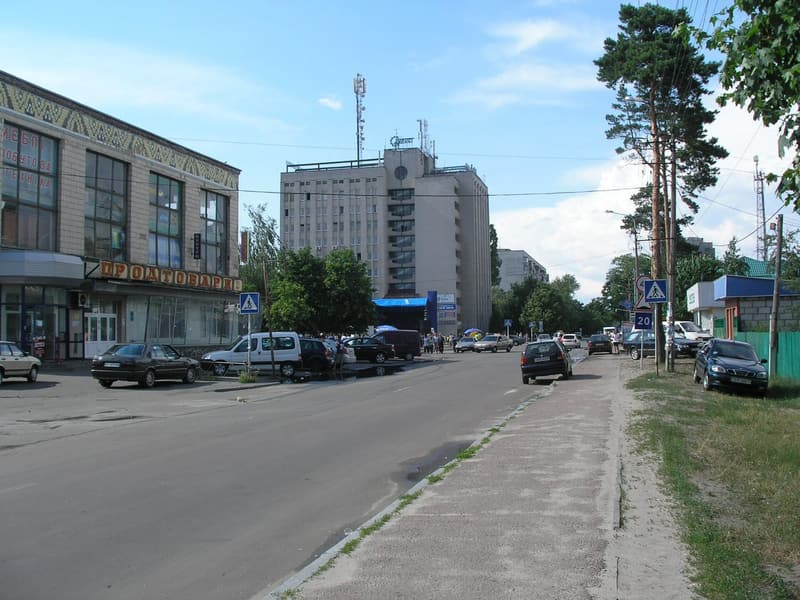
Representative photo · Photo: Dima Sergiyenko; Please attribute this i / Wikimedia Commons, CC BY-SA 4.0
An official Ukrainian emergency mobile application was breached by unknown hackers, sending false warnings of nuclear strikes and chemical attacks to residents in Kyiv.
An unauthorized cyber intrusion targeted Ukraine’s nationwide mobile alert system late on Sunday, broadcasting false warnings of an imminent nuclear radiation hazard to citizens in Kyiv. The breach also generated inaccurate alerts regarding a chemical hazard and active street-to-street fighting in the Ukrainian capital. The deceptive notifications were distributed in both Ukrainian and English, featuring several spelling mistakes. A separate message composed in Russian claimed that the region faced an impending strike involving Oreshnik ballistic missiles capable of carrying nuclear warheads. Moscow previously deployed this weapon against Kyiv, Dnipro, and Lviv.
While many local residents recognized that the platform had likely been compromised and ignored the notifications, others experienced genuine distress. One Kyiv resident named Nina reported feeling briefly terrified after reading the alert on her device. In an official statement released on Sunday, the management of the emergency application confirmed that unauthorized individuals had interfered with the system. Operations were temporarily suspended, and users received warnings to avoid clicking on any links contained within suspicious notifications. Although Russian officials alleged that similar cyber-raids affected their own Ministry for Emergencies application in Moscow, the identity and exact motives of the perpetrators remain unverified. A Russian Telegram channel linked to security services claimed a group named Hitcore was responsible, though these reports could not be independently confirmed.
The cyber incident coincided with the conclusion of a six-day local ceasefire brokered to evacuate civilians near Oleshky. Following the expiration of the truce, Russian forces resumed military activities, launching a drone attack that struck a hospital in the southern city of Kherson. Military administrators reported structural damage to the facility, though no injuries were recorded. Evidence indicates that the temporary pause in hostilities allowed the Russian army to reinforce positions, rotate personnel, and deploy heavy military equipment across the Dnipro River. Representatives for the Kremlin stated there are no current plans to negotiate additional localized ceasefires along other sectors of the frontline.
Why it matters
The compromise of a national civil defense channel demonstrates the persistent threat of digital warfare during armed conflicts, directly impacting civilian safety and public panic levels. Such disruptions undermine critical early-warning infrastructure relied upon by populations facing active hostilities.
Sources
More like this

Palantir AI Tech Unused by 29 NHS Trusts Despite Claims

WA Police Used Facial Recognition on 1.38 Million Faces in Trial

Ukraine air raid alert app apparently hacked as false radiation threat issued