US Democrats Take Control of Congress After Midterms
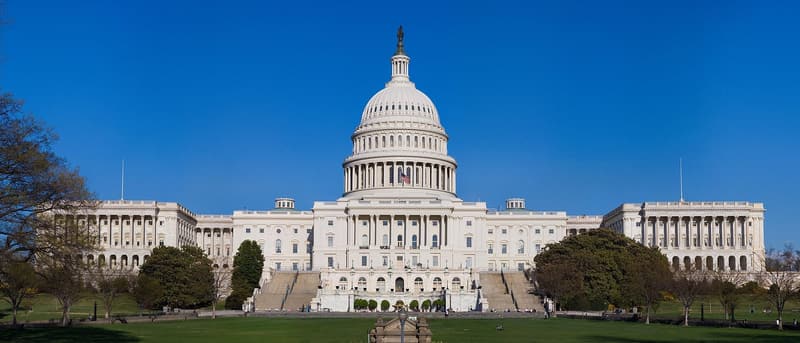
Representative photo · Photo: Noclip / Wikimedia Commons, Public domain
Democrats have won majorities in both the House and Senate following the US midterm elections, leaving President Donald Trump to face a divided government.
Following the midterm elections on November 3, a decisive political shift occurred across the United States as Democrats secured majorities in both the US House of Representatives and the Senate. The results also included gubernatorial victories in former Republican strongholds such as Texas, leading to celebrations among politicians and supporters nationwide. However, the White House quickly reminded the public that Donald Trump remains president and retains significant executive powers.
President Trump holds the authority to veto any legislation passed by Congress, which requires a two-thirds majority in both chambers to overrule. Despite lacking this two-thirds margin, Patrick Malone from American University suggests that some Republican lawmakers, particularly in the House, may no longer align closely with Trump, potentially allowing bipartisan votes to override vetoes. Meanwhile, questions persist regarding a possible impeachment attempt over the unauthorized war with Iran, though Democrats lack the Senate numbers required for a conviction.
Instead of a full impeachment conviction, Democrats are widely expected to launch congressional investigations to influence public opinion. Furthermore, from January onward, Democratic control over government funding creates leverage regarding executive appointments. Observers speculate that lawmakers may condition funding for presidential priorities on the departure of Secretary of Defense Pete Hegseth, who faces scrutiny over the war with Iran.
Internal Divisions Among Democrats
Despite their current success, internal unity within the Democratic Party is not expected to last long. The party encompasses distinct factions, ranging from progressive members pushing aggressive environmental and social policies to mainstream liberals and moderates who won elections in conservative districts. Agreeing on a unified governing agenda will prove challenging for the party moving forward.
Why it matters
Donald Trump's Republican party has lost its majority in both chambers of the US Congress. But the president still has a lot of power — and the Democrats have yet to agree on how best to use theirs.
Sources
More like this
Hakeem Jeffries Poised to Become First Black Speaker of the US House
New Zealand Prime Minister Christopher Luxon Calls Election Too Close

New Zealand Faces Weeks of Uncertainty After Election