Trump, Democrats and the Challenge of the U.S. Economy
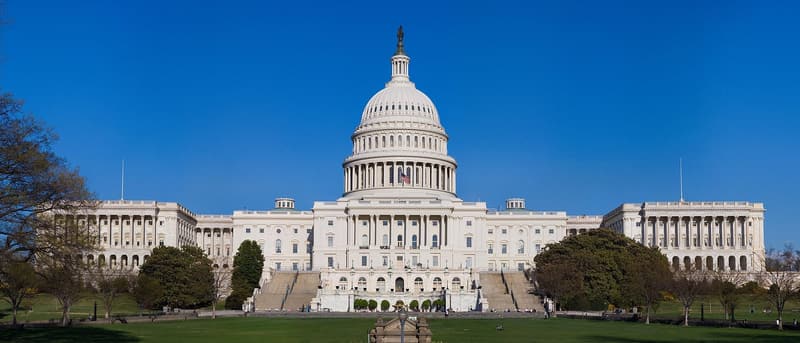
Representative photo · Photo: Noclip / Wikimedia Commons, Public domain
Voter concerns over the cost of living have driven a massive political swing toward Democrats, but they face strict limits in fixing the economy.
Voters deeply worried about the rising cost of living have fueled a historic political shift, granting Democrats a large majority in the House and a strong edge in the Senate. This upheaval reflects intense public frustration regarding expensive gas, groceries, steep mortgages, and unaffordable healthcare. As the new crop of Democrats comes to power promising affordability, they are about to discover the severe limits of their legislative power over forces largely outside their control.
Senate majority leader-in-waiting Chuck Schumer stated that Americans want Washington to bring down the cost of living, while likely House speaker Hakeem Jeffries emphasized their promise to fight for an affordable America. However, undoing prior economic policies and steering macroeconomic trends will prove difficult. Reining in gas prices requires reaching an agreement with Iran to reopen the strait of Hormuz, while cutting war funding or stopping trade policies faces steep political hurdles, including a lack of the 60 Senate votes needed to prevent a filibuster.
Democrats face strict limits on their power to alleviate voter stress over the economy.
Domestic policy adjustments also confront fiscal constraints. Reinstating health insurance subsidies or reversing Medicaid and food stamp cuts will be challenging given a budget deficit already running at six percent of the nation's gross deficit. Furthermore, Goldman Sachs estimates that AI-related firms have raised nearly 500 billion dollars in debt so far in 2026, driven by a frenzied artificial intelligence investment boom. If this sector experiences a downturn, the government would have very little fiscal space to soften the blow with debt hovering near 40 trillion dollars.
Why it matters
Economists note that the widespread pessimism stems from a collapse in confidence in economic leadership rather than runaway inflation or extreme unemployment. While the new Democratic Congress may offer resistance to executive actions, the economy will pose a massive challenge. In two years, they could face even greater voter anger if economic conditions deteriorate further, leaving them to hope citizens blame the administration instead of Congress.
Sources
More like this
Home Office sued after stripping EU citizens of rights
US Senator Abdul El-Sayed Establishes Habibi PAC

Houston Mayor Curbs Police Cooperation With Houston ICE