Former RFK Jr Adviser Accuses Trump Officials of Prioritizing Special Interests
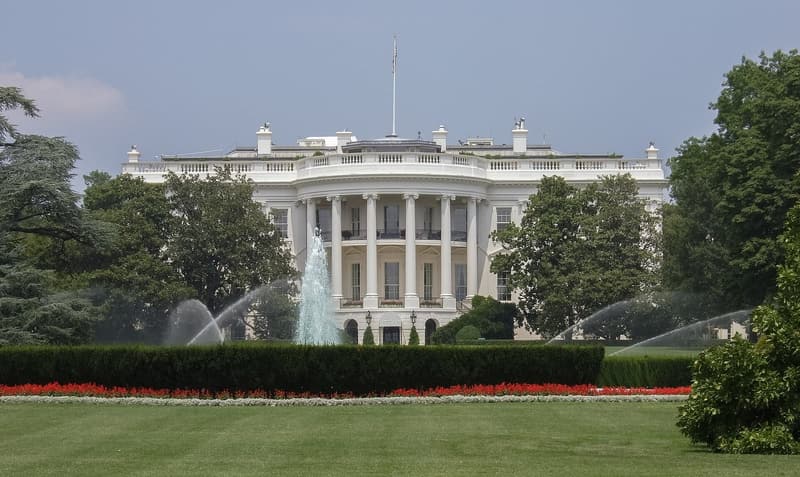
Representative photo · Photo: Diego Delso / Wikimedia Commons, CC BY-SA 3.0
A former Trump health adviser alleges that key officials stalled the 'Make America Healthy Again' agenda to secure funding from industry groups.
Calley Means, a former health adviser to Robert F. Kennedy Jr., has leveled serious accusations against former Trump administration staff, claiming they prioritized special interest groups over the "Make America Healthy Again" (Maha) agenda. Means, who resigned from his advisory role two weeks ago, suggested that the push for the Maha initiative was undermined by officials seeking financial support from the sugar industry ahead of the midterm elections. While many people often search for information regarding the former RFK site or other historical contexts, the current focus remains on these internal political allegations.
In a podcast interview with Joe Rogan, Means argued that the administration’s focus on fundraising led to a disconnect from the core platform that voters supported two years ago. He told CBS News that Susie Wiles, who was removed as White House chief of staff last week, led a group of advisers—including James Blair, Richard Walters, Walker Barrett, and Tony Fabrizio—that catered to special interests. Means specifically alleged that Wiles hindered efforts to improve American diets to ensure continued financial backing from the sugar industry. Furthermore, he claimed that Fabrizio avoided supporting Maha initiatives while accepting funds from PepsiCo and pharmaceutical companies.
Former Trump advisers allegedly stalled health reforms to secure funding from industry special interest groups.
Means also accused Wiles and Blair of pressuring the Department of Health and Human Services to approve flavored e-cigarettes. James Blair has formally denied these claims, stating that he was simply working to align the FDA’s nicotine application process with federal law. Blair characterized the accusations as a misrepresentation of his responsibilities and threatened legal action, accusing Means of dishonesty. Meanwhile, Robert F. Kennedy Jr. issued a statement on X, reaffirming his commitment to the Trump administration and emphasizing that he intends to continue fighting against corporate influence in health policy.
Following the recent midterm losses, the White House maintained that it has never allowed outside groups to influence policy decisions. The administration highlighted its focus on an "America First" agenda, citing tax cuts, job creation, and border security as primary achievements. As the administration undergoes personnel changes, including the replacement of Wiles with Stephen Miller, the debate over the influence of special interests on public health policy continues to intensify.
Why it matters
The allegations highlight a significant internal conflict regarding the prioritization of public health versus political fundraising. This dispute underscores the challenges of implementing major policy shifts like the Maha agenda when faced with opposition from established industry sectors.
These developments affect the future direction of U.S. health policy and the internal stability of the current administration. For observers, the situation serves as a case study in how corporate interests can potentially clash with populist political platforms, influencing legislative outcomes and administrative priorities.
Sources
More like this

Barnsley Workers Strike Over Nursery Privatisation by Reform Council
What Republicans Are Running for President in 2028 and Midterm Lessons

Ahmed Moor to Challenge John Fetterman for Pennsylvania Senate Seat