Teacher Shortages Strain Higher Education as IIT India Posts Remain Vacant
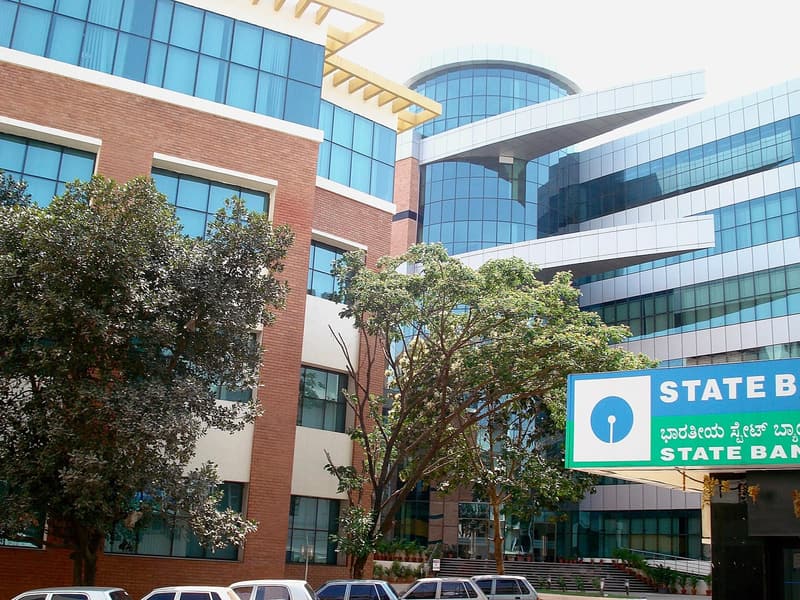
Representative photo · Photo: Ank Kumar / Wikimedia Commons, CC BY-SA 4.0
India's higher education system faces a growing student-teacher gap, with nearly four in ten faculty posts vacant at IIT India institutions.
India's higher education system is confronting a widening gap between student enrolment and faculty numbers. Between the 2014-15 and 2023-24 academic years, student enrolment grew by 31.5 percent, rising from 3.42 crore to 4.50 crore. Over the same period, the number of teachers increased by just 17.6 percent, moving from 14.73 lakh to 17.32 lakh. This disparity has worsened the overall student-teacher ratio from 23:1 to 26:1, meaning there were three more students per teacher in 2023-24 than a decade prior.
These findings come from a working paper by the Economic Advisory Council to the Prime Minister (EAC-PM). Titled How India is Transforming Educational Capacity under the New Education Policy 2020: School Networks, Higher Education and Pathways to Work, the paper was authored by EAC-PM member Soumya Kanti Ghosh and economist Shashidharan Sharma. The authors draw on data from the All India Survey on Higher Education to emphasize that expanding campuses and adding seats must be matched by adequate teaching capacity.
Rapidly rising student enrolment has far outpaced teacher growth across Indian higher education institutions.
The staffing shortfall extends directly to premier technical institutions. Data cited in the paper from a parliamentary standing committee report as of March 2023 reveals severe vacancies across major public bodies. At premier institutions like IIT India, nearly four in every 10 sanctioned faculty positions remained empty, with 4,415 out of 11,292 posts vacant, marking a 39 percent vacancy rate. The Indian Institutes of Management reported a 31 percent vacancy rate with 484 unfilled posts out of 1,570 sanctioned positions.
Other leading institutions face similar challenges. The National Institutes of Technology recorded 29 percent faculty vacancies, while the Indian Institutes of Information Technology reported a severe 54 percent vacancy rate, leaving more than half of their sanctioned posts unfilled. In contrast, the Indian Institutes of Science Education and Research reported a much lower vacancy rate of 7 percent.
Why it matters
The ongoing teacher shortage highlights that institutional expansion requires more than physical infrastructure and additional admission seats. Without enough faculty members to conduct classes, guide research, supervise practical work, and provide academic support, higher education institutions may struggle to deliver the quality education students expect.
For readers in India and the wider academic community, these findings underscore the need for policymakers and institutions to prioritize human resources alongside physical growth. Assessing faculty availability and staffing requirements before approving new courses or campuses is vital to maintaining standards across premier public institutions and universities nationwide.
Sources
More like this

French police officers face trial over beating of black music producer

Poland Mass Shooting Suspect Dies in Hospital Following Krakow Attack

Seafarers face grave dangers amid the US-Israeli conflict with Iran