US Maritime Agency Warned Iran Gulf Conflict Was Increasing Shipping Costs
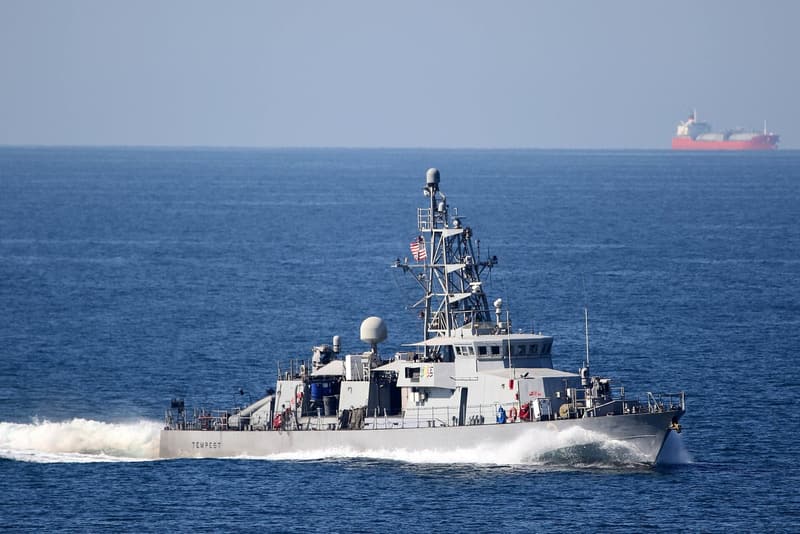
Representative photo · Photo: Official U.S. Navy Page from United Stat / Wikimedia Commons, Public domain
Internal US Maritime Administration documents reveal concerns that the naval blockade of Iran is inflating insurance premiums and reducing global cargo capacity.
Internal documents obtained from the United States Maritime Administration (MARAD) indicate that the agency flagged the disruptive impact of the US-led naval blockade of Iran on commercial shipping. The records suggest that the ongoing Iran Gulf conflict has created significant challenges for maritime logistics, specifically regarding insurance costs and vessel availability.
Following a US Central Command (CENTCOM) operation that disabled a Panama-flagged bulk carrier accused of breaching the blockade, MARAD issued an internal alert. The memo, titled “Alert – Hormuz risk expands beyond the strait,” highlighted that merchant vessels are now facing kinetic threats from multiple sides. The warning noted that these risks have extended to Gulf anchorages and the Gulf of Oman, creating a volatile environment for global trade.
The US maritime agency warned that the Iran blockade is driving up insurance premiums and reducing shipping capacity.
MARAD administrator Stephen M. Carmel shared the alert with colleagues in mid-October, specifically requesting information on how the insurance market was responding to the attacks. Correspondents within the agency's Office of Marine Insurance noted that they were monitoring the situation through contacts in London and tracking reports of rising premiums. While the exact origin of the alert remains unclear, it underscores the internal recognition of the economic fallout resulting from the blockade.
The impact of the Iran Gulf conflict
Since the initiation of strikes on Iran in late February, global shipping has faced severe disruptions. The International Maritime Organization has documented approximately 130 attacks on vessels in the region, with October marking the most intense period of hostilities. While the US government continues to enforce its blockade to hinder Iran’s economic survival, experts suggest that the strategic consequences for global trade may have been overlooked or deemed secondary to the administration's security objectives.
Why it matters
The findings highlight a disconnect between US military strategy and the economic realities faced by the global shipping industry. The rising war-risk premiums and the threat of crew refusals serve as a direct consequence of the naval blockade, affecting the cost of goods and the reliability of maritime supply chains. For nations in South Asia that rely heavily on energy imports and trade routes passing through the Strait of Hormuz, these increased operational risks could lead to higher commodity prices and logistical delays.
Sources
More like this

Young Germans Protest Against Military Conscription Plans

Lion Academy Trust pays compensation after Prevent threat over Palestine badges

Beau Lamarre-Condon Trial: Prosecution Dismisses Claims of Panic