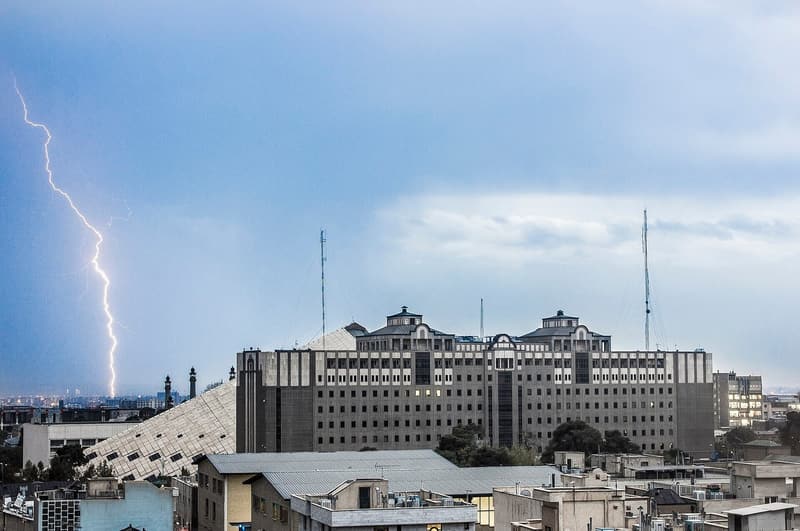
Iran Debates Future of Nuclear Doctrine Amid Rising Regional Tensions
Representative photo · Photo: Mahdifa33 / Wikimedia Commons, CC BY-SA 4.0
Foreign Minister Abbas Araghchi says Iran is reviewing its nuclear policy, sparking concerns that Tehran may reconsider its long-standing commitment to a civilian-only programme.
As international scrutiny intensifies, Iran is facing a period where it might shift its established stance on atomic development. While the nation has historically maintained that its nuclear programme is strictly for peaceful purposes like electricity and medical research, recent comments suggest that Iran reverses course on its previous policy could be a possibility. Foreign Minister Abbas Araghchi indicated that the country’s enriched uranium stockpile would be utilized according to needs, however those are defined, fueling speculation that the government is reconsidering its nuclear doctrine.
A Major Strategic Debate
Araghchi confirmed that a significant strategic debate is occurring among Iranian officials and lawmakers regarding the future of the nation's nuclear strategy. He noted that proponents of a policy shift argue that the current peaceful approach has failed to protect critical nuclear facilities from recent attacks by United States and Israeli forces. Although Araghchi emphasized that the official doctrine remains unchanged for now, he acknowledged that any modification would carry far-reaching consequences.
Iran is debating a potential shift in its nuclear doctrine amid ongoing security concerns and regional conflict.
This internal discussion has gained momentum, with the Assembly of Experts—the body responsible for appointing the supreme leader—recently describing the review of defense and deterrence strategies as an unavoidable necessity. Political scientist Ali Fathollah-Nejad noted this marks the first time a governing institution has formally endorsed such a position.
Since the United States withdrew from the 2015 Joint Comprehensive Plan of Action in 2018, Iran has accelerated its enrichment activities. The International Atomic Energy Agency has expressed serious concern over Iran's current enrichment levels, which, while below the 90 percent threshold for weapons, are significantly higher than what is required for power generation. U.S. officials, including Vice President JD Vance, have questioned why Iran requires 60 percent enriched fuel if it does not intend to pursue nuclear weapons, labeling it a fundamental threshold issue. Tehran, however, maintains that its right to enrich uranium under the Treaty on the Non-Proliferation of Nuclear Weapons is non-negotiable.
Why it matters
The potential abandonment of a civilian-only nuclear policy represents a critical turning point in global security. If Iran changes its doctrine, it could fundamentally alter the balance of power in the Middle East and complicate ongoing efforts to resolve the current conflict. For the international community, including nations in South Asia that rely on regional stability for trade and energy, a shift toward nuclear armament would likely trigger a new era of diplomatic and security challenges.
Sources
More like this
British father fined after toddler dies in fall at Cyprus hotel

Israeli Strikes Continue in Gaza Amid Worsening Humanitarian Conditions
Sudan’s elderly face hardship and heartbreak in displacement