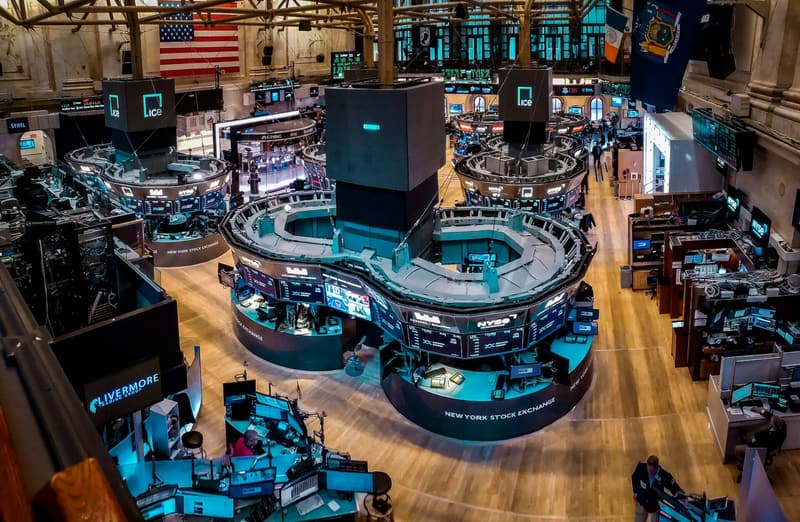
Nvidia Shares Plunge as Investors Question if the AI Bubble Is Finally Popping
Representative photo · Photo: Tobias Deml / Wikimedia Commons, CC BY-SA 4.0
Tech stocks face a sharp downturn as Nvidia shares tumble and Bitcoin slips below $60,000, prompting concerns about the sustainability of the AI investment boom.
This is news, not investment advice. NexVani Media is not a SEBI-registered investment adviser and does not recommend buying or selling any security. Do your own research or consult a registered adviser before investing.
Financial markets are currently grappling with the question of whether the AI bubble is finally popping as the artificial intelligence boom faces its most significant test. Nvidia shares finished Friday at $125.53, marking a 47.5% decline from their October record high. The broader Nasdaq Composite index also suffered, closing at 22,617.73, which represents an 18% drop from its October peak and its worst weekly performance since 2020. This volatility has erased the index's gains for the year 2026.
The downturn has extended beyond Nvidia, impacting various AI-linked entities. CoreWeave has seen its value drop nearly 80% from its 2025 peak, while Oracle has declined by roughly 70%. Furthermore, the iShares Semiconductor ETF, known as SOXX, fell 17.4% over the week, signaling a widespread selloff among companies supplying the AI industry. Even the recent $81 billion IPO of Anthropic failed to stabilize sentiment, with shares falling 9% on Friday following the initial trading session.
The AI sector faces a major correction as stock valuations and infrastructure spending come under intense scrutiny.
Expert perspectives on market volatility
Owen Lamont, a portfolio manager at Acadian Asset Management, now assigns a 70% probability to the U.S. stock market being in a bubble, citing excessive valuations and speculative investment trends. This sentiment is echoed in a Bank of America fund manager survey, which revealed that investors have reduced their technology exposure at the highest rate since 2006. Additionally, the European Central Bank has raised concerns regarding the financing of AI development, noting that capital expenditure by major U.S. tech firms could reach $5.5 trillion by 2030, increasingly relying on debt.
Cryptocurrency markets have also felt the pressure, with Bitcoin falling below the $60,000 threshold. The total crypto market capitalization has dropped to approximately $2.01 trillion from a peak of over $4 trillion. The Crypto Fear and Greed Index has reached its lowest point since February, reflecting extreme market anxiety as Bitcoin trends toward two consecutive red years for the first time in its history.
Why it matters
The current market turbulence signals a potential shift in investor confidence regarding the profitability of AI infrastructure. For global investors, the decline represents a move away from speculative tech growth toward more cautious liquidity management.
This trend affects participants in volatile asset classes, including those in emerging markets who may be impacted by broader shifts in global capital flows and the tightening of borrowing conditions. As major tech companies re-evaluate capital spending, the ripple effects are being felt across both traditional stock exchanges and digital asset markets.
Sources
More like this

Kraken Says Trades Stand After Bitcoin Drops on Exchange

Ethereum Glamsterdam Upgrade Delayed to 2027

ECB Seeks Industry Partners for Tokenized Deposits and Securities