How Iran and US war started and shaped the US midterms
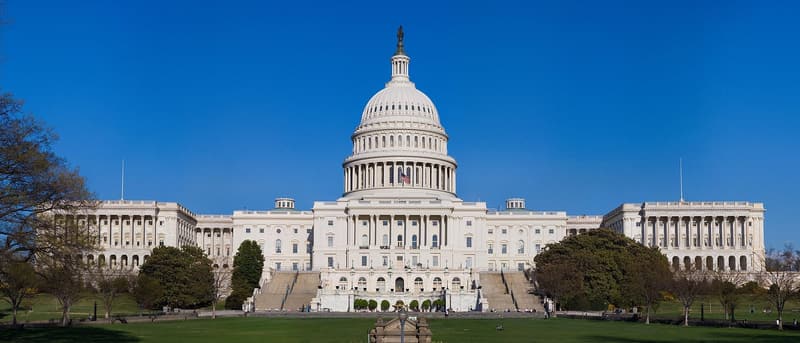
Representative photo · Photo: Noclip / Wikimedia Commons, Public domain
The conflict involving Iran has become a central campaign issue in the upcoming United States midterm elections as voters prepare to head to the polls.
As voters prepare to cast their ballots on Tuesday, November 3, the ongoing conflict involving Iran has emerged as a major campaign issue in the United States. Many citizens are focusing heavily on how iran and us war started and how its domestic consequences are directly impacting their daily lives. Skyrocketing fuel prices have triggered widespread inflation, pushing the costs of everyday goods higher across the country.
Public opinion data indicates that a substantial number of both Democrats and Republicans feel the conflict has brought consequences that outweigh any potential justification. These economic pressures and voters concerns raise critical questions about whether the upcoming election will shift control of the Senate and House of Representatives in favour of the Democratic Party. Furthermore, the outcome of these races could significantly alter the remainder of President Donald Trump time in office.
Expert Perspectives on the Midterms
Political analysts and regional experts are closely monitoring the electoral fallout. The discussions involve insights from figures such as Hassan Ahmadian, associate professor at the University of Tehran and deputy director of the Middle East Scientific and Strategic Studies Center, alongside Patrick Mara, chairman of the Washington, DC Republican Party. Their perspectives highlight the complex interplay between foreign policy decisions and domestic voter sentiment during a critical electoral cycle.
The Iran conflict has emerged as a central issue driving voter concerns in the US midterms.
Why it matters
The outcome of the midterm elections will determine the balance of power in the United States Congress, directly influencing presidential policy implementation for the remainder of Donald Trump time in the White House. The direct domestic economic fallout, driven by surging fuel costs and rising prices for goods, has made foreign conflict a decisive domestic voting issue.
Sources
More like this
UK Opposed Slavery Reparations at Commonwealth

US Senator Chris Murphy Hospitalized After Suffering Stroke
Home secretary unveils migration changes extending residency wait times