Iraq Prime Minister Talks to Trump Over Regional Security
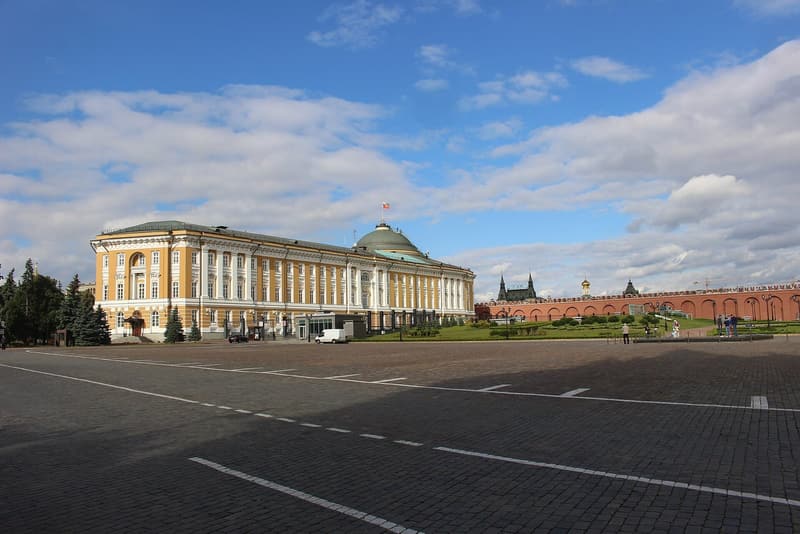
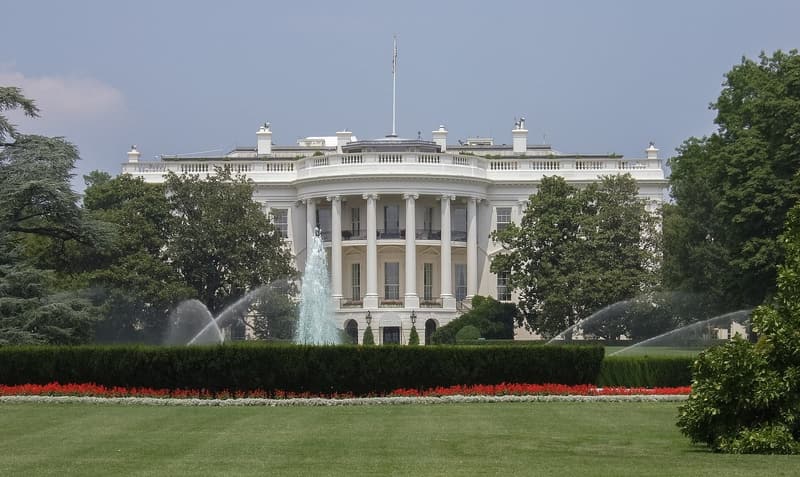
Representative photo · Photo: Diego Delso / Wikimedia Commons, CC BY-SA 3.0
Iraqi Prime Minister Ali al-Zaidi spoke with Donald Trump as Baghdad works to prevent its territory from becoming a battleground in the war on Iran.
Iraqi Prime Minister Ali al-Zaidi held a telephone conversation with United States President Donald Trump on Thursday, emphasizing that Baghdad will refuse to permit its territory to be utilized for assaults against surrounding nations. The diplomatic exchange took place amidst intensified efforts to prevent new US military actions directed at Iran. According to statements from the prime minister's office, the two leaders reviewed regional developments, security situations, and future cooperation prospects. Al-Zaidi stressed the importance of respecting national sovereignty and relying on dialogue and diplomacy to maintain stability.
Since the conflict involving Iran and the US began in February, Iraq has struggled to navigate competing interests. The administration of al-Zaidi, who assumed office in May, has made disarming domestic militias a primary focus. Several powerful groups aligned with Iran have previously conducted regional attacks throughout the duration of the war. During a recent television interview, Foreign Minister Fuad Hussein warned that potential renewed US strikes are widely known and cautioned armed factions against participating in retaliatory actions.
Iraq's leadership insists the nation will not become a battleground in the ongoing war on Iran.
Hussein emphasized that dragging Iraqi society into the wider conflict would result in severe consequences, noting that neither the local population nor the armed forces are prepared for warfare. He highlighted that Iraq has previously suffered attacks from the US, Iran, and domestic factions alike, noting that the country maintains positive relations with Washington and Tehran while attempting to remain neutral.
Economic impacts have also hit Iraq hard since the hostilities began. The nation has experienced losses exceeding sixty billion dollars in oil revenue because Tehran closed the Strait of Hormuz, halting the passage of the vast majority of exported oil. Although Iran has granted a specific exemption allowing Iraqi shipments to pass through the waterway, the disruptions underscore the severe economic stakes for Baghdad.
Why it matters
This diplomatic outreach highlights the precarious position of nations caught in broader geopolitical conflicts and underscores the challenges leaders face in protecting domestic stability from external military escalations. The developments affect regional security dynamics and global energy routes.
Sources
More like this
Building Gaza With Wind Turbines Made From Rubble
Israeli Settlers Seize Homes in Jericho Amid Clashes
Bondi beach shooting victim dies in hospital a year later