JD Vance questions Iran war after midterms defeat
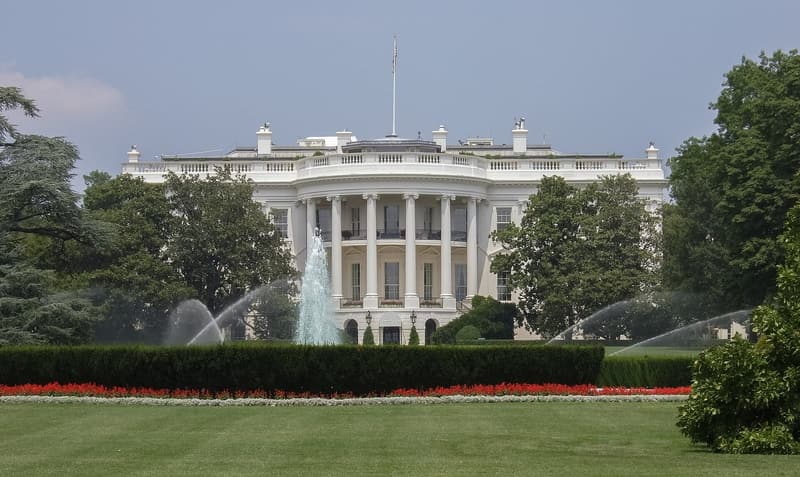
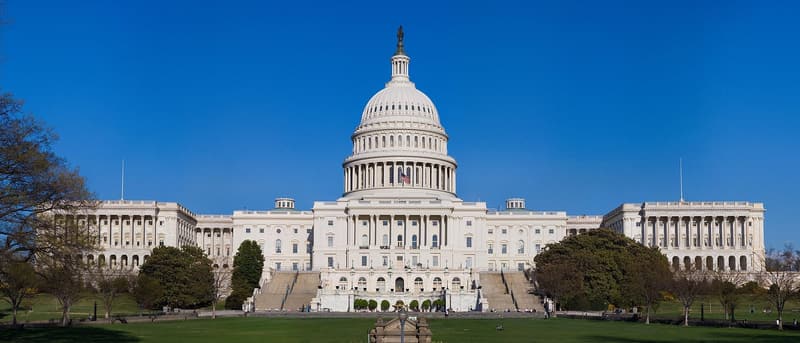
Representative photo · Photo: Noclip / Wikimedia Commons, Public domain
Vice President JD Vance has blamed the war on Iran for his party's congressional midterms defeat, suggesting the conflict cost them control.
Vice President JD Vance has blamed the ongoing conflict with Iran for his party’s severe midterms defeat, raising questions about whether the military engagement was worth ceding control of the United States Congress to the Democrats. His comments come amid discussions about a potential jd vance presidential run as he positions himself within national politics.
Writing in a lengthy message published on the social media platform X, Vance pointed directly to the military campaign as the root cause of the electoral losses. He noted that the president himself acknowledged the difficult election results. Vance argued that anyone attempting to justify the loss of the Senate for the upcoming six-year period must defend the decision openly, asserting that a transparent conversation about the future of the movement must begin with this electoral reality.
As a prominent figure often viewed as an heir apparent to the Make America Great Again movement, Vance has actively participated in negotiations with Tehran. Both nations have sought pathways out of a confrontation that has strained their respective economies and driven up global fuel prices. Unlike other senior figures in the administration, Vance has adopted a more dovish stance, and his recent remarks represent his closest public divergence from the president on an issue likely to challenge Republicans.
Vice President JD Vance blamed the Iran war for his party's congressional midterms defeat.
Referring to insights shared by a pollster he regards as exceptionally astute, Vance reported that concluding the conflict and altering ties with Israel emerged among the primary concerns for voters who supported the ticket in 2024 but shifted toward Democratic candidates for the 2026 midterms. Meanwhile, the president offered a starkly different perspective following the electoral setback, telling the Wall Street Journal that he harbors no regrets regarding the initiation of the conflict and would repeat the action if given the opportunity.
Why it matters
This public divergence between key administration officials highlights internal debate over the political and economic fallout of prolonged military engagements. As fuel prices rise and economies strain under the weight of the conflict, political figures face mounting pressure from voters prioritizing foreign policy shifts in upcoming legislative cycles.
Sources
More like this
Palestinian citizens of Israel face intimidation after election success

Letitia James Appoints Ex-Prosecutor for Cornell Probe
JD Vance Blames Iran Conflict for Republican Midterm Defeat