Palestinian citizens of Israel face intimidation after election success
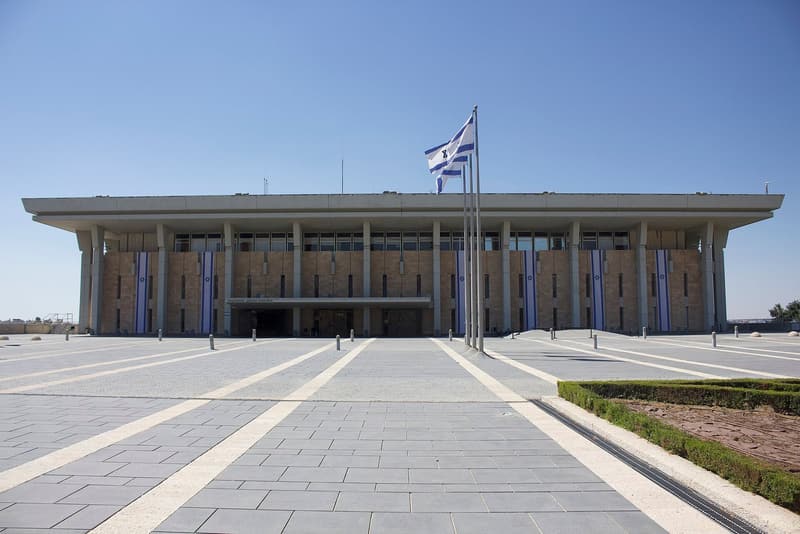
Representative photo · Photo: Clema12 / Wikimedia Commons, CC BY-SA 4.0
Following a record 19 seats won by Palestinian-led parties, Palestinian israelis face police raids and state security pressure.
Israel has officially certified its general election results, putting an end to right-wing claims of a stolen vote. However, the record 19 seats captured by Palestinian-led parties have triggered aggressive police raids, arbitrary arrests, and targeted interrogations by state security apparatuses. The electoral gains made by the Joint List and the United Arab List could give the Zionist opposition to Israeli Prime Minister Benjamin Netanyahu the upper hand in forming the next government.
Meanwhile, Netanyahu and his allies have portrayed the increased vote share as the result of illegality. Political analyst Mamoun Abu Amer stated that the backlash was preplanned. Ahmad Tibi, leader of the Ta’al Party, noted that Likud had prepared a file before the elections to invent falsehoods upon the release of the results. The intimidation materialised through aggressive police actions on election day, including the arrest of several Ra'am supporters who were later released by a judge.
The security crackdown also extended to journalists, with Abd Abu Shahadeh arrested by police and the Shin Bet. Sami Abu Shehadeh called the events an attempt to steal the elections. Human rights expert Mustafa Ibrahim argued this approach stems from systemic discrimination, noting that Palestinian israelis have historically been viewed as a fifth column.
Palestinian-led parties face state security crackdowns following historic election gains.
Political pressure has also engulfed state institutions. Shin Bet Director David Zini requested to interrogate senior Palestinian lawmakers, but Attorney-General Gali Baharav-Miara denied the request, sparking attacks from Likud. Far-right National Security Minister Itamar Ben-Gvir subsequently demanded the attorney general's removal, which Abu Amer described as part of a systematic campaign.
Why it matters
This political backlash changes the legislative landscape by challenging the growing democratic participation and representation of Palestinian citizens of Israel. It affects lawmakers, activists, and voters who face heightened state scrutiny and institutional pressure following their historic electoral gains.
Sources
More like this
Netanyahu and Trump Face Historic Rejection After Iran War Backlash
US Midterms See Historic Wins for Young Politicians with African Roots
Letitia James Appoints Ex-Prosecutor for Cornell Probe