JD Vance Blames Iran Conflict for Republican Midterm Defeat
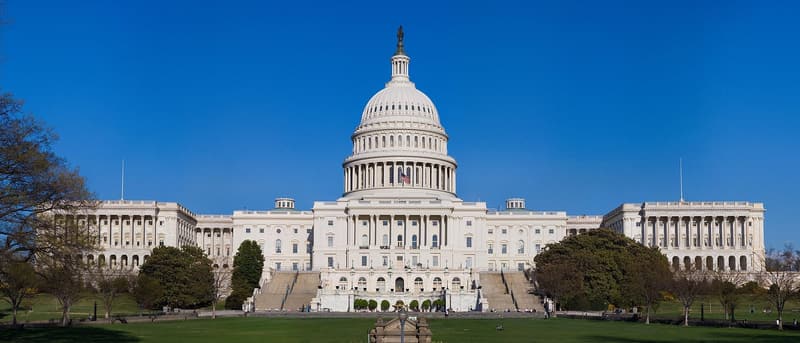
Representative photo · Photo: Noclip / Wikimedia Commons, Public domain
Vice-President JD Vance stated that the ongoing war against Iran caused the Republican party's losses in the US midterm elections.
Vice-President JD Vance asserted on Wednesday that the military conflict against Iran proved disastrous for the Republican party during the US midterm elections. The electoral outcome is widely viewed as a major setback for the presidency of Donald Trump. This public stance suggests the vice-president, previously central to diplomatic efforts with Tehran, is distancing himself from the deeply unpopular military engagement as speculation grows about a potential 2028 presidential campaign. Recent public interest surrounding statements on vance iran has highlighted these political shifts.
In a detailed statement shared on social media, Vance pointed directly to the ongoing hostilities as the primary driver behind the electoral downturn. He noted that the consequences of the conflict included losing control of the Senate for the upcoming six-year period. According to Vance, any honest evaluation regarding the party's future direction must acknowledge this reality as the core factor behind the historic defeat.
The unpopular war against Iran caused severe Republican losses during the US midterms.
President Trump had offered similar assessments in a recent interview, acknowledging that the military situation contributed to the electoral challenges. However, Trump maintained that launching the conflict in February alongside Israel was the correct decision and expressed no regret over the military action. While Trump defended the intervention, Vance's remarks highlight a noticeable divergence in how key administration figures interpret the political fallout of the military campaign.
Why it matters
This division within the executive branch regarding a major international conflict impacts the broader political landscape and signals potential shifts in future US foreign policy approaches. The public disagreement over the electoral cost of military intervention may influence upcoming legislative strategies and future electoral alignments as leaders prepare for the 2028 political cycle.
Sources
More like this
Palestinian citizens of Israel face intimidation after election success

Letitia James Appoints Ex-Prosecutor for Cornell Probe
US midterm results spark optimism in Canada regarding potential tariff relief