DataVita Revises Lanarkshire AI Datacentre Energy Plans to Rely on National Grid
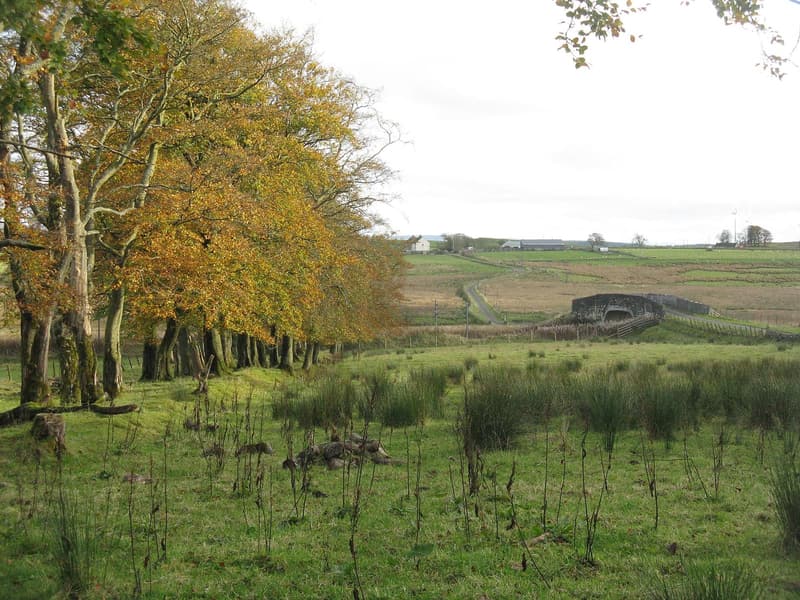
Representative photo · Photo: M J Richardson / Wikimedia Commons, CC BY-SA 2.0
DataVita has shifted its Chapelhall project strategy, moving from a dedicated renewable energy model to a reliance on the National Grid for its AI development.
DataVita, a key participant in the UK’s artificial intelligence strategy, has updated its development plans for a major facility in Lanarkshire, Scotland. The company, which previously promised to power a massive AI development near Chapelhall using 1GW of dedicated renewable energy, has confirmed that the site will now be fully served by the National Grid. The initial proposal had suggested that the project would draw power equivalent to the output of a large windfarm through private wire connections.
Following inquiries regarding the feasibility of these claims, the company stated that its energy arrangements were subject to final commercial and planning processes. The firm has now quietly revised its proposal, indicating that the datacentres will be grid-served, with the potential for future integration of wind and solar farms. DataVita maintains that it will utilize renewable power purchase agreements to source its energy from the grid. This project, located in Lanarkshire, Scotland, is a significant component of the broader UK AI strategy, which aimed to establish growth zones supported by incentives and expedited planning.
DataVita has shifted its Chapelhall datacentre plans to rely entirely on the National Grid for power.
Grid dependency and project viability
The revision comes amid growing scrutiny regarding the energy requirements of hyperscale AI datacentres. Experts, including Kat Jones of Action to Protect Rural Scotland, have noted that such facilities require highly reliable grid power, making the initial promise of exclusive renewable supply difficult to sustain. The shift in strategy highlights the challenges facing the UK’s AI growth zone ambitions, particularly as developers face long wait times for grid connections and high energy costs.
DataVita, which has received £202m in public funding via national wealth fund guarantees, insists that its commitment to green energy remains intact. The company suggests that its datacentres are being designed to draw power through renewable energy purchase agreements. Despite the adjustment, the firm maintains that it may still connect to a proposed wind and solar park in North Lanarkshire in the future. The project was originally expected to create 3,400 jobs in the region.
Why it matters
This development underscores the practical difficulties in scaling energy-intensive AI infrastructure while meeting sustainability targets. It highlights a growing gap between the ambitious government-backed AI strategies and the physical limitations of the national power grid.
For stakeholders and the public, this change signifies that the environmental impact of major AI projects may be more complex than initially marketed. It serves as a reminder that large-scale technological growth remains heavily tethered to existing, often constrained, national infrastructure.
Sources
More like this

TikTok accused of helping to promote the sex industry to young users

EU Orders TikTok to Alter For You Feed Algorithm or Face Heavy Fines

Three Men Charged in US for AI CEO Impersonation Fraud Scheme