UN Expert Urges Nepal to Revive Stalled Transitional Justice Process
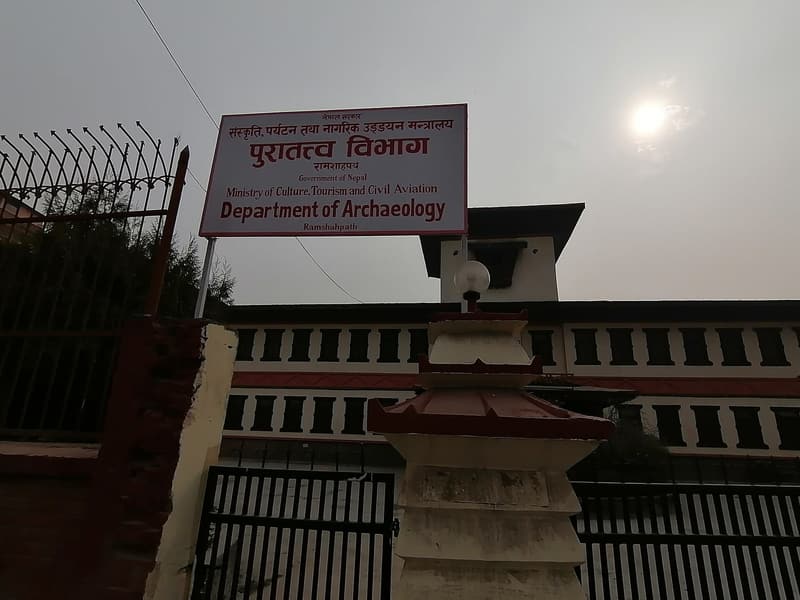
Representative photo · Photo: Sandeep Raut / Wikimedia Commons, CC BY-SA 4.0
A United Nations human rights expert has called on Nepal to prioritize transitional justice and fill long-vacant commission posts.
A United Nations human rights expert has urged authorities in Nepal to treat transitional justice as a national priority. The appeal comes as the country prepares to observe the twentieth anniversary of the agreement that ended the armed conflict, while recent developments in Nepal news highlight ongoing delays in delivering accountability to victims of the insurgency.
Bernard Duhaime, who serves as the UN special rapporteur on the promotion of truth, justice, reparation and guarantees of non-recurrence, issued a statement through the UN Human Rights Office. He emphasized that the formation of a new administration earlier in the year offers a prime chance to revitalize the stalled transitional justice agenda, a momentum the country must seize.
UN expert urges Nepal to swiftly appoint commissioners to stalled transitional justice bodies.
The expert called upon the government to immediately select commissioners for the Truth and Reconciliation Commission and the Commission of Investigation on Enforced Disappeared Persons. Both entities have lacked office-bearers since the previous leadership was removed through an official ordinance earlier this year, leaving them unable to carry out their mandates.
Nearly two decades after the signing of the Comprehensive Peace Accord in November 2006, key elements of the envisaged transitional justice process remain incomplete. Although several initiatives have been launched over the past twenty years, progress has been extremely slow due to political disagreements, institutional obstacles, and repeated delays.
Duhaime also expressed disappointment regarding the postponement of his scheduled visit to Nepal for this year, noting that discussions are underway to find alternative dates. Thousands of victims and families of missing individuals continue to wait for answers, reparations, and closure.
Why it matters
The stalled transitional justice process leaves thousands of conflict victims and families of the disappeared without answers or reparations nearly twenty years after the peace agreement. Resolving these delays is crucial for upholding accountability and fulfilling national human rights commitments in South Asia.
Sources
More like this

Houston Mayor Curbs Police Cooperation With Houston ICE
New Zealand Election 2026: Labour Draws Level With National
English Mayors Oppose Super Force Plans Over Local Policing Threats