New Zealand Election 2026: Labour Draws Level With National
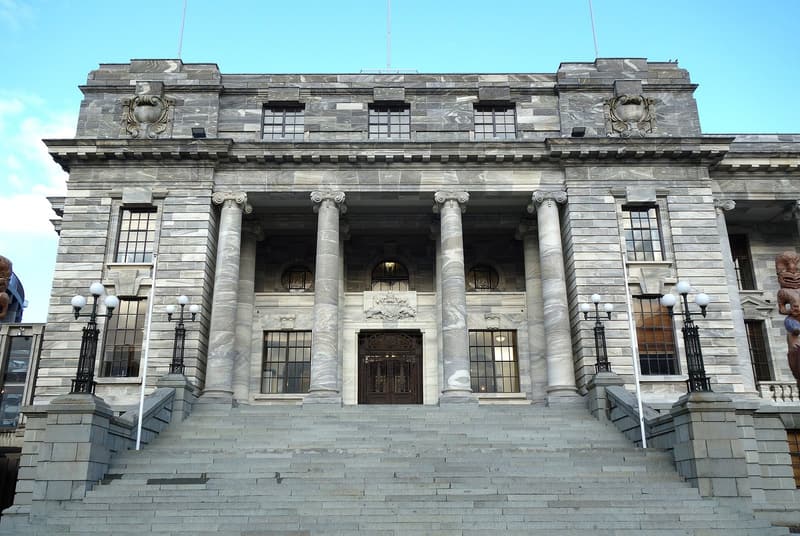
Representative photo · Photo: Daderot / Wikimedia Commons, CC0
New Zealand's 2026 election sees Labour draw level with National in a tightly contested race as votes continue to be counted across the country.
The political landscape in New Zealand remains on a knife-edge as votes continue to be counted in one of the closest elections in recent history. Early results show the New Zealand Labour Party and the National Party locked in a neck-and-neck contest, with less than a quarter of a percent separating the major political forces as ballots are tallied from various regions.
As the count progresses, polls indicate that no single coalition is expected to secure an outright majority of seats in parliament. This leaves the political outcome hanging in the balance, with smaller factions potentially holding decisive leverage. Among the notable developments is the performance of the centrist Opportunity party, led by Qiulae Wong, which is currently projected to cross the threshold required to enter parliament. Since New Zealand adopted the mixed-member proportional representation system in 1996, no entirely new party has achieved this feat without splintering from existing parliamentary groups.
Labour and National are running neck and neck as the New Zealand election count continues.
Electoral tensions are reflected across several local electorates. In Hutt South, Labour candidate Ginny Anderson holds a narrow lead over incumbent National MP Chris Bishop. Meanwhile, Green MP Julie-Anne Genter is holding off a challenge from Labour's Craig Renney in Wellington North, and Kieran McAnulty is leading for Labour in Wairarapa. In a distinct local tradition, political families continued the custom of providing food to waiting media personnel, with leaders' partners offering homemade items and refreshments outside their residences.
With major urban centers and remote booths yet to report fully, electoral officials stress that further shifts remain possible before the final tally is established.
Why it matters
The 2026 election results will determine the formation of New Zealand's next government and shape legislative priorities regarding economic policy, public services, and taxation. Because no coalition is projected to win an immediate majority, the potential influence of minor parties highlights the critical role of parliamentary negotiations in determining the country's political direction.
Sources
More like this

Victoria Barracks in Sydney and Melbourne Saved from Sale
Gadi Eisenkot Selected to Form Israel's Next Government
Can New Zealand's new government win over disillusioned voters?