For people in Iran, a constant threat of war and dearth of information
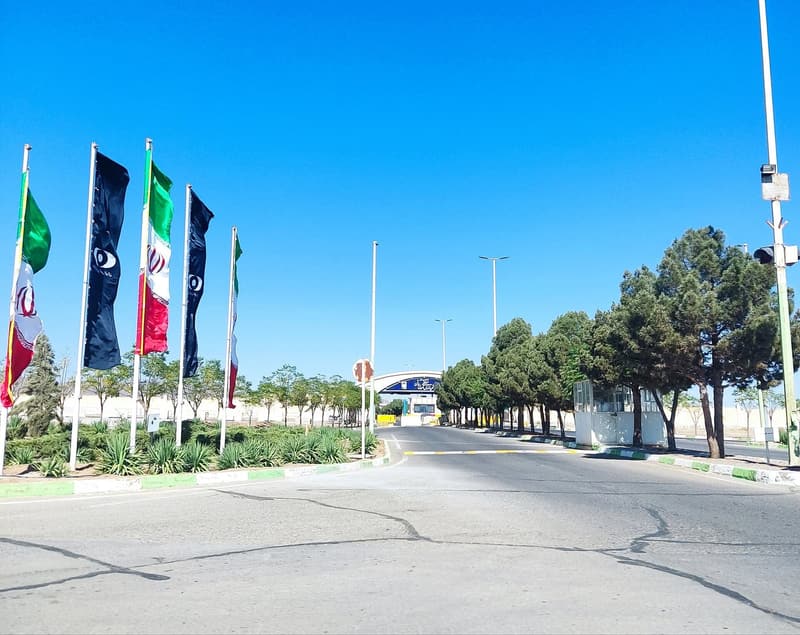
Representative photo · Photo: Parsa 2au / Wikimedia Commons, CC BY-SA 4.0
Iranian citizens face deep uncertainty as they navigate rumors of nuclear conflict and a lack of transparency regarding ongoing peace negotiations.
The daily lives of people in Iran are currently defined by a pervasive sense of anxiety as the nation grapples with the ongoing military standoff involving the United States and Israel. For many, the threat of conflict is not merely a geopolitical abstraction but a constant, visceral fear that manifests in reactions to everyday sounds. Residents describe a climate where even minor noises, such as a slamming door, can trigger panic, leading to fears that military strikes are imminent.
While schools remain operational across the country, the atmosphere remains tense. Although the Ministry of Education has urged citizens to ignore rumors intended to incite fear or force school closures, some private institutions have proactively issued emergency guidance to parents. Officials maintain that any decisions regarding school operations will be made in coordination with security authorities, yet this has done little to soothe the nerves of families who feel caught in the middle of a volatile political environment.
The population in Iran faces extreme uncertainty due to conflicting rumors and the threat of nuclear conflict.
Navigating uncertainty and rumors
Public anxiety is further fueled by contradictory messaging from state institutions. While government spokespeople appeal for calm, state television has broadcast advisories on protective measures in the event of a nuclear strike, including instructions to remain in shelters for at least 24 hours. This has intensified fears regarding potential US military actions against underground facilities, such as the site near the Natanz nuclear complex, despite government denials that nuclear activities occur at those locations.
Adding to the confusion is a severe lack of information regarding diplomatic efforts. Qatari mediators are reportedly working to facilitate a peace deal, yet even well-informed journalists within Iran report being largely in the dark about the substance of these closed-door negotiations. Many citizens now feel forced to rely on international media outlets to understand developments that directly impact their safety and future.
Political analysts suggest that the recent US midterm election results have introduced further unpredictability. Hamidreza Azizi of the International Crisis Group notes that while some in Tehran view the election outcome as a sign of resistance, it remains unclear how this will influence the Trump administration’s military strategy before the new Congress takes office. In this climate of information scarcity and political instability, some residents have begun to withdraw from news consumption entirely, finding the weight of the situation increasingly difficult to bear.
Why it matters
The ongoing uncertainty in Iran impacts the stability of the entire region and complicates international efforts to de-escalate military tensions. For the Iranian population, the lack of transparent information creates a psychological toll that persists regardless of the actual military outlook. This situation leaves citizens in a state of perpetual readiness for a crisis that may or may not materialize, affecting their daily routines and long-term outlook.
Sources
More like this

Mission Trinity Foodbank in Goole to Close After 16 Years
Millions fleeing Sudan’s war risk losing shelter as funds run low
Why is Denmark separating ‘Western’ and ‘non-Western’ citizens?