Saudi-backed forces bolster positions in Yemen as Mideast tensions flare
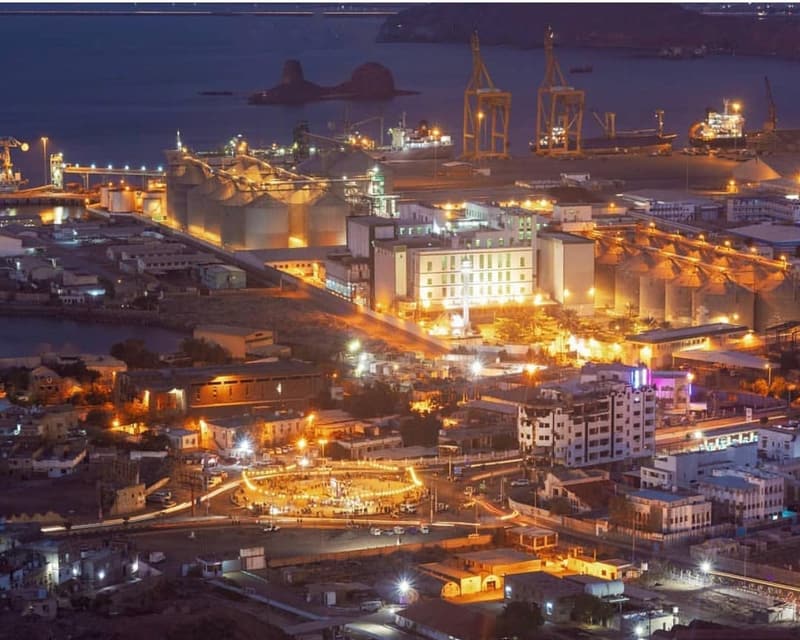
Representative photo · Photo: Ahmedxalkatheri / Wikimedia Commons, CC BY-SA 4.0
Saudi-backed forces in Yemen have deployed more troops near Aden to deter Houthi rebels, amid broader Middle East escalations involving the U.S., Iran, Iraq, and the U.K.
Alliance forces supported by Saudi Arabia have moved additional personnel and military equipment into and around the district of Tur al-Baha to counter a potential offensive by Iran-backed Houthi rebels. According to military officials who spoke anonymously, the area serves as the primary defensive line for the vital port city of Aden, located roughly eighty-five kilometers away. This strategic adjustment follows a withdrawal from the Bab el-Mandeb Strait over the weekend to prevent encirclement and protect Aden, giving the rebels greater control over the Red Sea passage. Meanwhile, Houthi media reported air strikes on Sanaa and Hodeida, with a local health official stating that a strike on a sponge factory killed at least seven people and wounded nine.
Escalations involving Saudi-backed forces and regional neighbors
Beyond Yemen, tensions escalated between the United States and Iran following further exchanges of strikes. A U.S. official reported a retaliatory strike on a missile launch site in the Strait of Hormuz belonging to the Iranian Revolutionary Guard after drones targeted a U.S. installation in Bahrain. Bahraini air defenses intercepted the drones, and U.S. equipment and personnel sustained no damage. In diplomatic developments, Iran’s foreign minister sent a letter to the United Nations arguing that a recent U.S. rewards program targeting Iran's nuclear program endangers nuclear personnel and halts International Atomic Energy Agency inspections.
Saudi-backed forces deployed additional troops near Aden to deter a potential offensive by Houthi rebels.
Elsewhere, Iraq has resumed oil exports through a pipeline to the Turkish Mediterranean port of Ceyhan at an initial capacity of one hundred twenty thousand barrels daily, with plans to reach half a million. The move aims to strengthen export resilience following shipping disruptions in the Strait of Hormuz. In Europe, the United Kingdom placed sanctions on Israeli development companies in the West Bank and an activist group accused of blocking aid to Gaza, prompting Israeli Foreign Minister Gideon Sa'ar to condemn the action as a hostile act.
Why it matters
The troop movements and regional developments highlight ongoing instability across the Middle East, affecting critical shipping lanes, global oil supplies, and diplomatic relations. For international observers and energy markets, the resumption of Iraqi oil flows through Turkey represents a vital shift to bypass disruptions in the Strait of Hormuz.
Sources
More like this
Thousands march in Haiti with photos backing Salvadoran troops

Rohingya Refugees Pin Hopes on Landmark ICJ Genocide Case Verdict

Vessels Navigate Ships Hormuz Strait Amid Limited United States Protection