Serbia railway tragedy leads to historic change of government
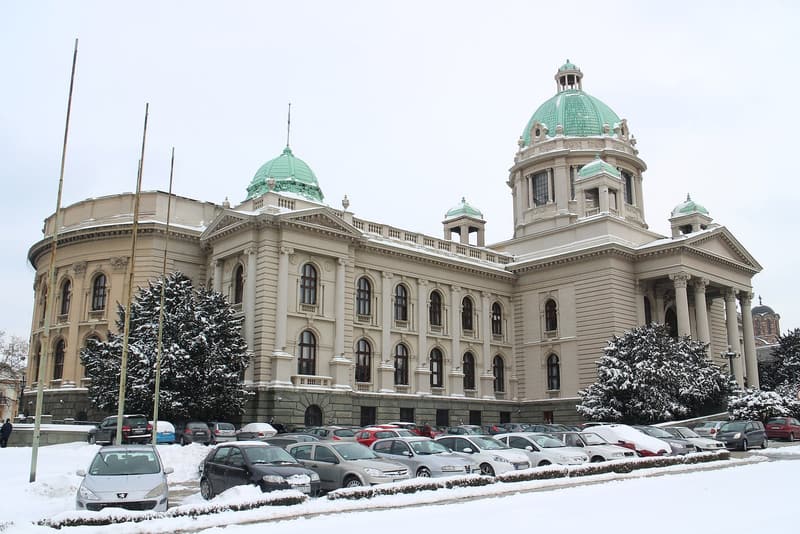
Representative photo · Photo: Suicasmo / Wikimedia Commons, CC BY-SA 4.0
Two years after a deadly station canopy collapse, student-led protests in Serbia have culminated in a historic political transition.
Sunday marks two years since a catastrophic railway tragedy in the Serbian city of Novi Sad claimed the lives of 16 people. The fatal collapse of a concrete canopy at the renovated station building on November 1, 2024, initially killed 14 individuals at the scene, with two more victims succumbing to their injuries later. This incident ignited immense public fury over public spending transparency, construction quality, and endemic corruption.
Within days, thousands gathered to demand accountability, leading to clashes with police and subsequent arrests. Protests swiftly evolved into a wider political campaign. Throughout late 2024, opposition blockades and university sit-ins intensified as citizens demanded the release of detained protesters and thorough investigations. The higher public prosecutor's office eventually arrested 11 individuals, including former Construction Minister Goran Vesic, while prosecutors officially indicted 13 people for serious crimes against public safety.
Student-led protests triggered by a railway station collapse ultimately brought the opposition to power in Serbia.
The path to political transition
Public outrage continued as journalists and investigators uncovered deeper issues. The public prosecutor's office for organised crime launched a separate inquiry into potential financial fraud, corruption, and money laundering during the station reconstruction, involving multiple former ministers and corporate managers. Amid ongoing demonstrations and the resignation of Prime Minister Milos Vucevic, authorities faced mounting pressure. Further arrests of student activists on charges of undermining the constitutional order sparked renewed civil unrest and massive demonstrations in Belgrade.
By late 2026, the informal student-led movement transformed into an organized political force with the formation of the Student List-Students Win grouping for snap parliamentary elections. On his final day in office, longtime leader Aleksandar Vucic resigned as president and pardoned all prosecuted students and activists, allowing exiled participants to return safely. In the subsequent elections, Vucic conceded defeat to the Student List following a voter turnout that reached its highest level in over three decades.
Why it matters
This timeline documents how a localized infrastructure disaster catalyzed nationwide political change through sustained civic activism. The events demonstrate how public accountability demands and grassroots mobilization can reshape a nation's political landscape, leading to the departure of established leadership and the rise of a new opposition-led government.
Sources
More like this

Tommy Robinson Conviction Leaves Far-Right Movement Facing Leadership Void
Bulgarians Vote in Run-off Amid Black Sea Tensions
Jamaal Bowman Discusses Political Struggles