Climate
Singapore Sets Strict Emission Targets for Sustainable Aviation Fuels
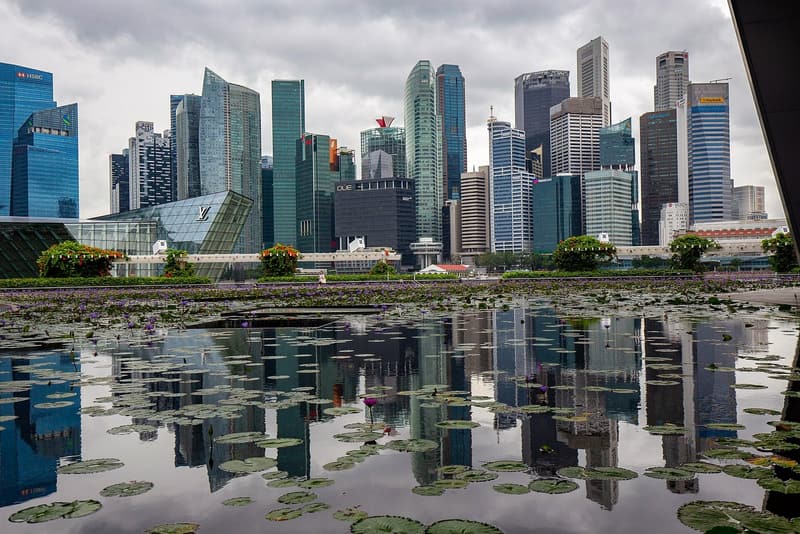
Representative photo · Photo: Bruce Poon / Wikimedia Commons, CC BY-SA 4.0
Representative photo · Photo: Bruce Poon / Wikimedia Commons, CC BY-SA 4.0
Singapore mandates that any purchased sustainable aviation fuel must achieve at least a 40% reduction in greenhouse gas emissions.
Singapore has announced a significant environmental measure regarding its aviation sector, introducing strict guidelines for procurement. Under the new policy, the nation will exclusively acquire sustainable aviation fuel that meets rigorous environmental standards. Specifically, the fuel must deliver a minimum reduction of 40% in lifecycle greenhouse gas emissions when evaluated against conventional jet fuel alternatives.
This strategic procurement decision forms an integral part of broader national initiatives aimed at curbing the environmental impact of air travel. As global aviation continues to seek pathways toward greener operations, acquiring fuels with significantly lower carbon footprints has become a central focus for authorities in the region.
Singapore mandates at least a 40% emission reduction for all acquired sustainable aviation fuels.
The implementation of these stringent fuel requirements aligns with ongoing efforts to address climate change within the aviation industry. By setting a clear benchmark for greenhouse gas reductions, authorities are pushing suppliers and operators to adopt cleaner energy sources that genuinely lower overall pollution levels.
This policy directly influences how airlines operate and source their fuel supplies when engaging with the Singapore market, setting a concrete precedent for environmental accountability in the aviation sector.