Singapore Economic Pressures Test Social Cohesion
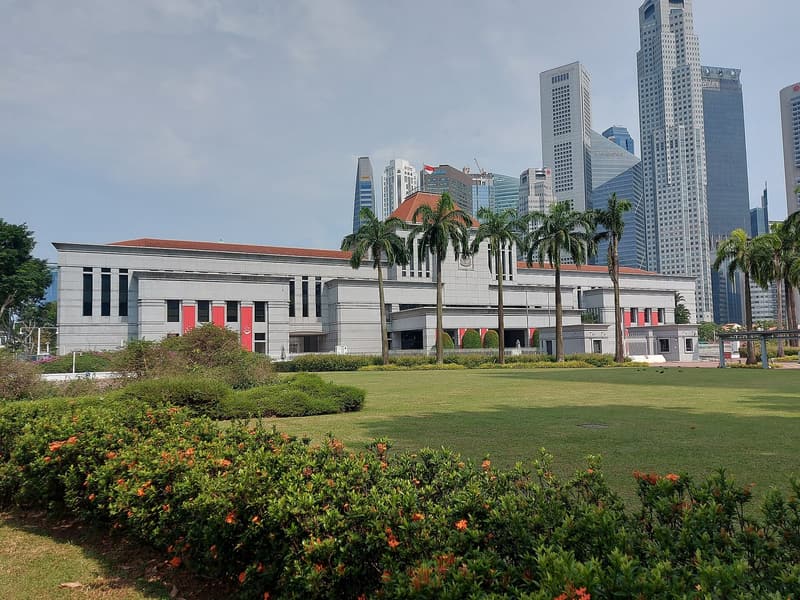
Representative photo · Photo: Johan Jönsson ( Julle ) / Wikimedia Commons, CC BY-SA 4.0
Cost of living concerns and job insecurity are testing Singapore's social cohesion, prompting targeted government support and policy measures.
Singapore’s social cohesion is facing mounting pressures that extend beyond traditional fault lines like race, language and religion. Rising living costs, job insecurity and anxieties surrounding artificial intelligence are sharpening divides over class and immigration. Economic policy has become integral to keeping Singapore one united people, as these emerging socioeconomic pressures risk creating separate lives for different groups in society.
Historically, Singapore’s national identity has been rooted in the national pledge of being one united people regardless of race, language or religion. However, contemporary challenges involve political and ideological divides, socioeconomic class and attitudes toward new immigrants. When individuals feel economically insecure or perceive unfair opportunity distribution, identity differences become more prominent. Affluent segments remain relatively insulated from daily concerns such as income loss or savings for healthcare, retirement and education.
Disquiet has been compounded by post-pandemic inflation, global geopolitical tensions and the growing impact of artificial intelligence on jobs. A YouGov survey conducted in May and June 2025 revealed that 83 per cent of respondents were concerned about the cost of living, 45 per cent worried about job security and 41 per cent expressed worries regarding the broader economy. Societal unease is further highlighted by the popularity of sociologist Teo You Yenn’s book, which spent 15 consecutive weeks at the top of The Straits Times bestsellers list.
Economic anxieties and cost of living concerns are challenging Singapore's long-standing social cohesion.
In response, the government has introduced financial relief packages. In April and July 2026, authorities announced nearly 2 billion Singapore dollars in support to cushion households against higher costs through cash payments, vouchers and utility rebates, followed by the SG Child Support Package. To address artificial intelligence fears, Parliament pledged in May 2026 to prevent jobless growth, while Prime Minister Lawrence Wong urged businesses to prioritize workers during the September launch of the SkillsFuture Festival. Furthermore, the SkillsFuture Jobseeker Support scheme was launched in April 2025 to offer temporary income relief, and the Workplace Fairness Act is expected to take effect in 2027.
While income inequality reached an all-time low in 2025 according to the Gini coefficient, social mobility has gradually moderated for recent cohorts. The Ministry of Finance noted in February 2026 that while mobility remains relatively strong, authorities are enhancing early childhood education to expand opportunities for lower-income households. Delivering on the inclusive growth vision from the October 2023 Forward Singapore report remains essential as the society stratifies.
Why it matters Keeping Singapore one united people depends heavily on managing economic anxieties alongside cultural differences. As the nation's economy matures and growth slows, ensuring manageable essential costs, helping workers navigate disruptions and preserving genuine upward mobility will sustain public faith in shared national progress.
Sources
More like this
China electric bikes see rising demand as fuel costs climb

Nationwide Launches New Savings Account With 5.3% Interest Rate

India Sees Defence Export Boom as Europe Seeks Shells