Singapore's Electric Buses: Safety Features Explained
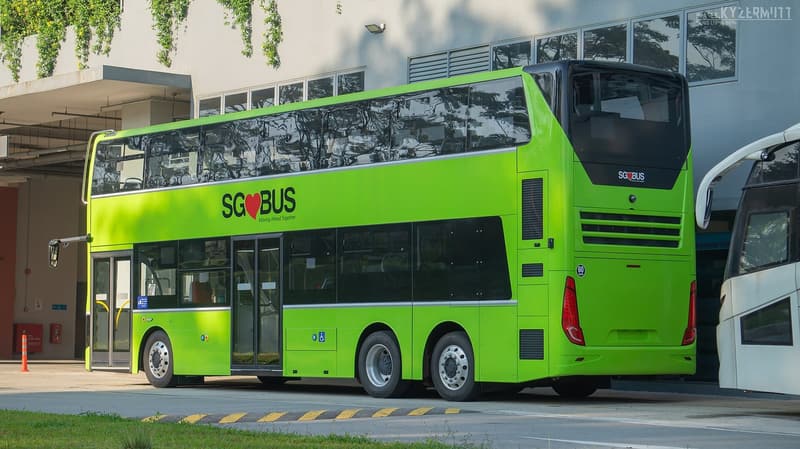
Representative photo · Photo: Jeriel Lim / Wikimedia Commons, CC BY-SA 2.0
As Singapore transitions its public bus fleet to electric power, authorities are addressing commuter safety concerns following rare vehicle fire incidents.
Public transportation in Singapore is shifting toward cleaner and quieter operations, raising questions about vehicle safety among the commuting public. Occasional reports of electric vehicle fires have surfaced, including an incident at a Marine Parade car park on September 24. While these occurrences remain infrequent, the Land Transport Authority has acknowledged that passengers might feel apprehensive about the reliability and safety of battery-powered transit.
To address these worries, the regulatory body released an informational video stating that safety is the primary concern and that such incidents are rare. The agency noted that overheating presents a fire hazard if left unmanaged, which is why the nation's electric buses incorporate multiple safeguards. Batteries are housed inside fire-resistant compartments engineered to contain flames for a minimum of thirty minutes. Should internal temperatures continue rising, an automatic fire suppression system activates to cool the affected compartment swiftly.
Singapore's electric buses feature fire-resistant battery compartments and automatic suppression systems to ensure passenger safety.
Additional precautionary measures include monitoring systems that display dashboard warning alerts for bus captains if any operational anomaly occurs. Every vehicle also carries a fire extinguisher, emergency hammers, and multiple emergency exits, alongside an emergency door release valve for passenger evacuations. Commuters are advised to follow crew instructions carefully during any unlikely emergency evacuation scenario.
The regulatory transition aims for half of the public bus fleet to run on electricity by the year 2030, with a complete shift to cleaner energy targeted for 2040. As these green vehicles become more common, authorities continue to inform the public about the built-in safeguards designed to protect daily commuters.
Why it matters
The ongoing transition of public transportation toward cleaner energy sources impacts daily commuters and urban planners striving for sustainable transit solutions. Understanding how regulatory bodies manage potential technical risks helps build public confidence in new green technologies as cities worldwide work toward environmental targets.
Sources
More like this

Andy Burnham climate policy questioned as green schemes face cuts
UK Weather Warnings Issued As Conditions Create Fog Recipe

Cop31 Climate Summit Begins in Turkey Amid Global Weather Challenges