Climate
Air quality in New Delhi reaches hazardous levels ahead of Diwali
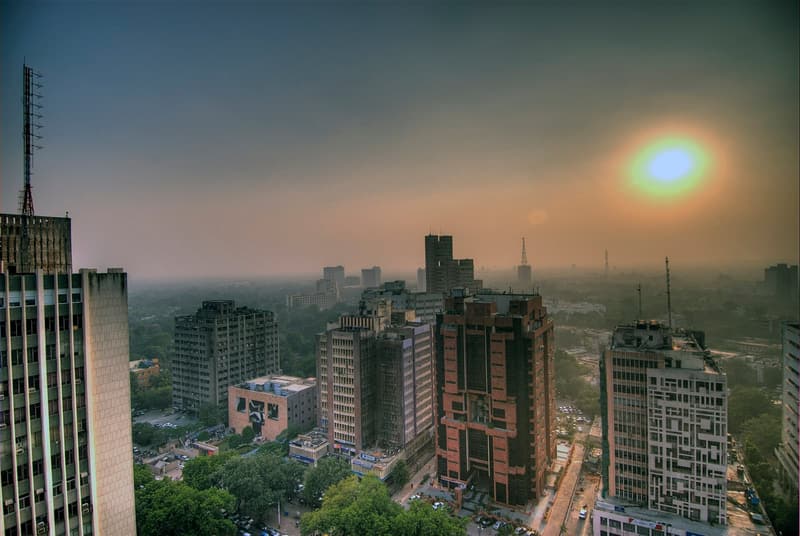
Representative photo · Photo: wili hybrid Original uploader was Lokant / Wikimedia Commons, CC BY 2.0
Representative photo · Photo: wili hybrid Original uploader was Lokant / Wikimedia Commons, CC BY 2.0
Toxic smog has engulfed India's capital as air quality deteriorates to hazardous levels just days before the Diwali festival celebrations begin.
Residents of India's capital are facing severe health challenges as the air quality in New Delhi has plummeted to hazardous levels. With the Hindu festival of lights, Diwali, approaching, the atmosphere is already thick with a toxic haze that has raised significant health concerns among the local population.
As citizens monitor the air Delhi quality, many have reported immediate physical symptoms. The deteriorating conditions have led to widespread complaints of breathing difficulties and persistent eye irritation. This decline in air quality is particularly concerning given that the upcoming Diwali festivities traditionally involve the widespread use of fireworks, which are known to further exacerbate pollution levels in the region.
Hazardous air quality in New Delhi poses immediate health risks to residents ahead of Diwali celebrations.
The current situation reflects a recurring environmental challenge for the city, where seasonal shifts often combine with human activity to create dangerous breathing conditions. As the toxic haze continues to blanket the urban landscape, health officials and residents remain on high alert regarding the potential for further degradation of the local environment during the peak of the festival season.
The deterioration of air quality in New Delhi is a critical issue that directly impacts the health and daily lives of millions of residents. As the city prepares for Diwali, the combination of existing pollution and the potential for increased emissions from fireworks poses a significant risk to public health, particularly for those sensitive to respiratory and ocular irritation.