South Korea to Expand Anti-Piracy Naval Operations Near Strait of Hormuz
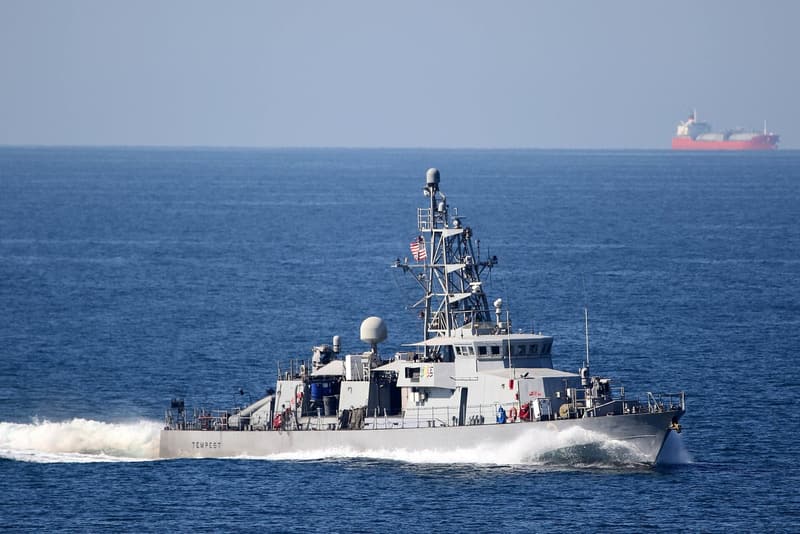
Representative photo · Photo: Official U.S. Navy Page from United Stat / Wikimedia Commons, Public domain
Seoul plans to extend its Cheonghae unit's operational range to protect commercial vessels following pressure from the United States regarding Middle East security.
The South Korea government is moving to expand the operational scope of its anti-piracy Cheonghae naval unit, aiming to increase its presence in waters closer to the vital Strait of Hormuz. This strategic shift comes after the administration faced criticism from United States President Donald Trump regarding the level of support provided for military efforts in Iran. The proposal, which requires approval from the cabinet and President Lee Jae Myung, seeks to extend the unit's area of operation to waters near the port of Duqm in Oman, located approximately 650 kilometers from the strait.
South Korea will expand its naval anti-piracy operations to waters near the Strait of Hormuz for protection.
Strengthening maritime security in South Korea
According to a defense ministry official, the primary objective of this mission enhancement is to safeguard the nation's economic interests and ensure the safety of its citizens. The official emphasized that the reinforcement is strictly for non-combat purposes and that the unit will operate independently of allied forces. Furthermore, the ministry clarified that operations will be restricted to open waters south of Oman. Maritime patrol aircraft involved in these missions will be prohibited from targeting or monitoring Iranian territory, territorial waters, or the interior of the Strait of Hormuz.
The Cheonghae unit has been stationed in the Gulf of Aden since 2009 to facilitate the safe navigation of commercial vessels. Current assets include a 4,400-ton-class destroyer, a maritime operations helicopter, three rigid-hull inflatable boats, and roughly 300 service members. Reports suggest that Seoul intends to deploy a P-8A maritime patrol aircraft and increase personnel by 75. The government is also seeking to extend the unit's Middle East deployment, which is currently scheduled to expire at the end of 2026.
President Lee Jae Myung previously stated on September 18 that while the country would not deploy assets in a manner that could draw it into a regional conflict, it remained committed to reviewing its role in safeguarding navigation. This decision follows a period of tension, as President Trump had previously criticized Seoul for insufficient support regarding the Iran war and reduced joint military drills, a move that reportedly unsettled the U.S. ally.
Why it matters
South Korea relies heavily on energy imports, sourcing 70% of its supplies from the Middle East in 2025, with the vast majority passing through the Strait of Hormuz. By expanding its naval footprint, Seoul aims to secure these critical supply lines against potential instability.
This development is significant for the region's maritime security architecture. While the expansion is framed as a protective measure for commercial shipping, it reflects the delicate balance South Korea must maintain between its energy security requirements and its strategic alliance with the United States.
Sources
More like this

Chef Sacked for Refusing Pineapple on Pizza Loses Bid to Reclaim Job

Pope Leo XIV Hosts Singer-Songwriter Bob Dylan at the Apostolic Palace

Syria and Saudi Arabia Sign Defence Deal and $403m in Loans