JD Vance Criticizes Iran War Strategy Following Republican Midterm Election Losses
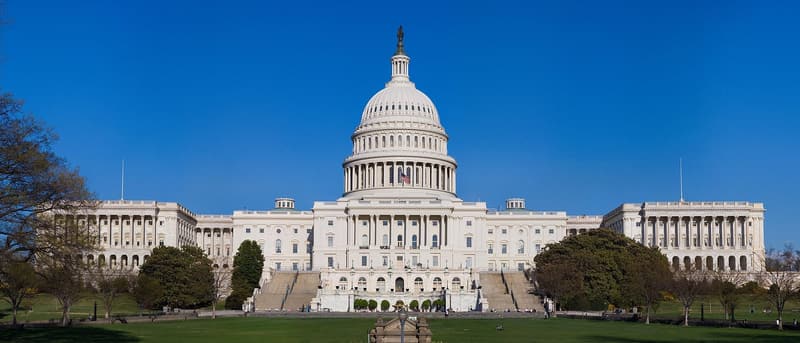
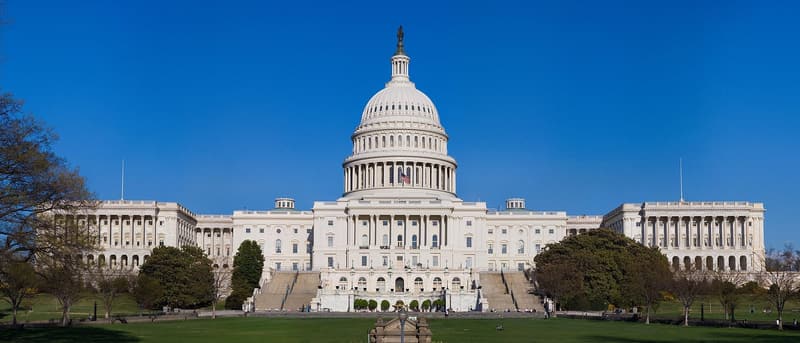
Representative photo · Photo: Noclip / Wikimedia Commons, Public domain
Vice-President JD Vance has publicly blamed the ongoing war in Iran for his party's midterm election defeat, signaling a potential shift in strategy ahead of a possible 2028 presidential bid.
Vice-President JD Vance has sparked significant political discourse regarding the Vance Trump relationship by publicly attributing the Republican Party's recent midterm election losses to the ongoing conflict in Iran. In a detailed statement published on X, the Vice-President argued that the war served as the primary catalyst for voters moving away from the party, resulting in the loss of control over both the House of Representatives and the Senate. This public critique marks a rare instance of a sitting Vice-President openly challenging a President on a core foreign policy decision.
Analyzing the Vance Trump 2028 implications
While the Vice-President has consistently supported the conflict since it began in February, his recent remarks suggest a desire to distance himself from the administration's foreign policy as he considers a potential run for the White House in 2028. Analysts, such as Daniel Byman of the Center for Strategic and International Studies, view this move as a deliberate effort by Vance to establish a distinct political identity. Despite the sharp rhetoric, reports indicate that the Vice-President shared his message with the President before making it public, suggesting a complex dynamic between the two leaders.
Vice-President JD Vance blamed the Iran war for Republican midterm losses, signaling a potential policy shift.
President Trump, who has historically demanded high levels of loyalty from his inner circle, responded to the criticism by acknowledging the electoral impact of the war while maintaining that the military action was necessary to prevent nuclear proliferation. He noted that he would make the same decision again if presented with the same circumstances. This measured response from the President may indicate that he is willing to allow more ideological flexibility for his potential successors.
Beyond his critique of the war, the Vice-President outlined a four-point platform for the party's future, which includes ending the conflict, addressing inflation, prioritizing an 'America First' approach, and re-evaluating the relationship with Israel. Although he has not officially announced a presidential campaign, these policy positions are widely seen as a foundation for a future national platform. The political landscape remains fluid as the administration navigates the fallout from the midterm results and looks toward the next election cycle.
Why it matters
The public disagreement between the President and his Vice-President highlights a significant fracture within the Republican Party regarding foreign policy. This shift could influence future US military engagement and diplomatic strategies, carrying potential long-term implications for global stability and the nation's international standing.
Sources
More like this
Vote Counting Underway in South Africa Municipal Elections
Unresolved US Senate Races in Mississippi and Alaska Delay Final Election Results
Trump now: Analyzing the fallout from the Republican midterm election losses