Thousands protest in Israel calling for coalition to unseat Netanyahu
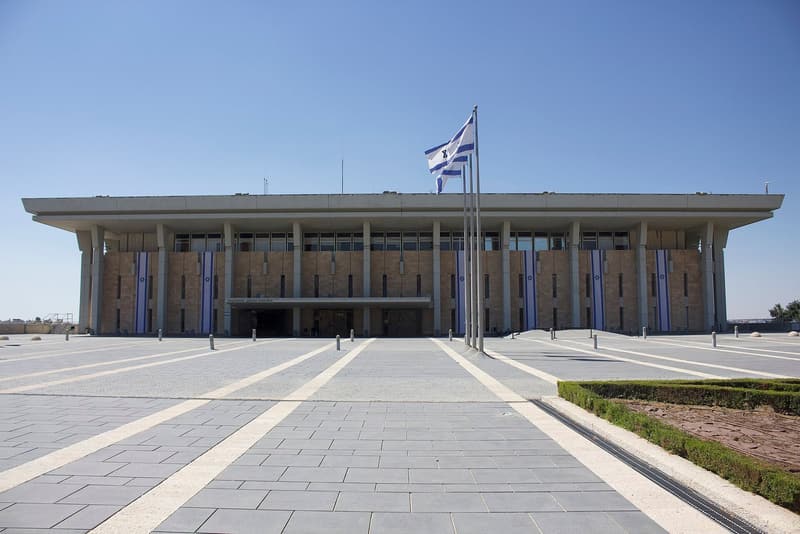
Representative photo · Photo: Clema12 / Wikimedia Commons, CC BY-SA 4.0
Protesters in Tel Aviv are urging opposition leaders to form a government with Arab parties to remove Prime Minister Benjamin Netanyahu following recent election results.
In a significant display of public sentiment, thousands protest in Israel to advocate for a political alliance capable of ending the tenure of Prime Minister Benjamin Netanyahu. Demonstrators gathered in Tel Aviv this Saturday, arguing that the current political deadlock following Tuesday’s elections represents a final opportunity to achieve meaningful change in the country’s leadership.
Political deadlock in the Knesset
The recent election results have left the Israeli parliament, or Knesset, in a state of gridlock. Netanyahu’s bloc secured 53 seats, while the opposition led by Gadi Eisenkot attained 48. With neither side reaching the threshold to form a government independently in the 120-seat legislature, the 19 seats won by Arab-led parties have become the decisive factor. Data from the Central Election Committee indicates that nearly 840,000 citizens voted for the Ra’am and Joint List coalition, marking a 64 percent increase in support compared to the 2022 elections.
Arab-led parties hold the key to a potential majority coalition to unseat Prime Minister Benjamin Netanyahu.
Although an alliance with these parties could grant Eisenkot a majority of 67 seats, he has previously dismissed the possibility of such a coalition. The proposal remains highly controversial, as many segments of Israeli society find the prospect of partnering with Arab factions politically unacceptable. Tensions have escalated further with accusations from Netanyahu, who claimed without evidence that these parties were funded by Qatar to manipulate the electoral outcome—a charge that Qatar has formally denied.
Counter-protests and rising tensions
The demonstration was met with a counter-protest from supporters of the Prime Minister. These individuals voiced strong opposition to the inclusion of Arab parties in the government, labeling such a move as unacceptable. Some right-wing circles have gone as far as to characterize the record turnout of Palestinian-Israeli voters as a form of electoral terrorism, drawing inflammatory comparisons to the October 7th attack by Hamas-led fighters. Observers note that these political voices are facing intense scrutiny precisely because of their newfound influence in determining the future of the Israeli government.
Why it matters
This standoff highlights a deep political divide in Israel, where the potential for Arab-led parties to act as kingmakers challenges traditional coalition-building norms. The outcome of these negotiations will determine whether the country continues under Netanyahu’s leadership or shifts toward a new administration, impacting regional stability and domestic policy.
For readers in India and South Asia, these developments are significant as they reflect broader global trends in polarized electoral politics. The potential for minority groups to hold the balance of power in democratic systems remains a critical subject of interest for observers of international governance.
Sources
More like this
Shops looted as German cost of living protests turn violent
Chicago ICE Agents Scrutinised as Officer Shoves Teacher on Video

Sri Lankan Woman Stranded in Cook Islands After Visa Denials