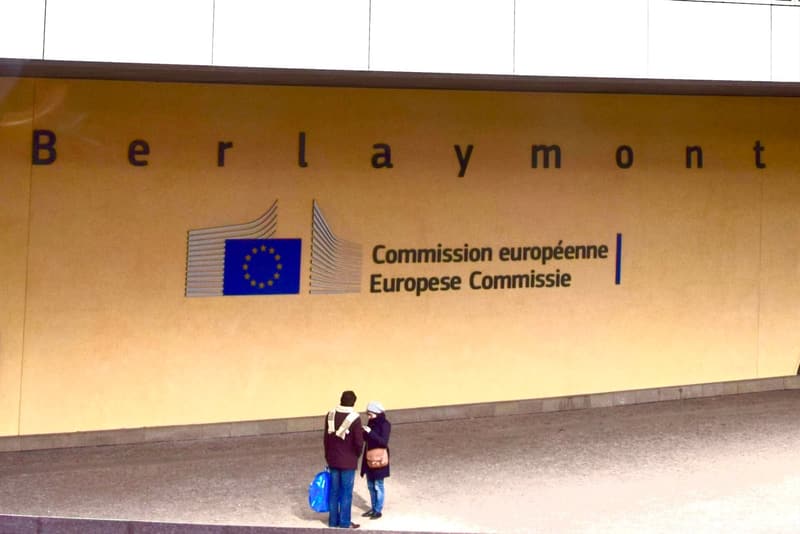
European Commission charges TikTok over mental health safeguards
Representative photo · Photo: Ank Kumar / Wikimedia Commons, CC BY-SA 4.0
The European Commission has issued a preliminary ruling charging TikTok with failing to protect users' mental health and worsening anxiety.
The European Commission has formally taken action against TikTok, announcing charges that the short-video platform failed to safeguard users' mental health. Regulators issued a preliminary ruling stating that the platform's content recommendation system exposes vulnerable and young audiences to repetitive material that can aggravate eating disorders and anxiety.
The regulatory action targets the platform's core operational model, which relies on continuous user engagement through automated feeds. According to European officials, the mechanism draws users into repetitive cycles of content regarding body image and isolation, making it difficult for individuals to break away once trapped.
EU regulators charge TikTok over algorithmic designs that risk worsening users' mental health.
Understanding why regulators charges TikTok
The investigation highlights that while individual videos may comply with regulations, the accumulated exposure to specific themes creates severe mental health risks. The platform's existing safety mechanisms, such as feed refreshes and preference buttons, were found insufficient in preventing continuous exposure to narrow topics. Henna Virkkunen, the commission's lead official on tech policy, noted that the automated recommendations consistently pull users down inescapable loops, requiring stronger protections for minors and vulnerable adults.
The current findings stem from a broader inquiry initiated under the Digital Services Act in February 2024. Although TikTok previously contested related findings concerning addictive design features like infinite scrolling, the platform now has an opportunity to examine the case file and present a defense. Officials indicated that the company could potentially avoid significant financial penalties reaching up to six percent of global turnover by committing to modifications in its recommendation infrastructure.
Why it matters
This preliminary decision challenges the foundational engagement-driven mechanics of major social media platforms operating within the European Union. By scrutinizing how recommendation algorithms shape content delivery for minors and vulnerable groups, the ruling sets a significant precedent for digital platform regulation and accountability regarding mental wellbeing.
Sources
More like this

US Rockets Firm Leap Eyes Mothballed Highland Spaceport

Tanzania Smallholder Farmers Struggle to Benefit From Digital Agriculture

Tesla Set to End Cybertruck Production to Focus on Autonomous Cybercab