Trump Faces Rejection From American Voters in Midterm Elections
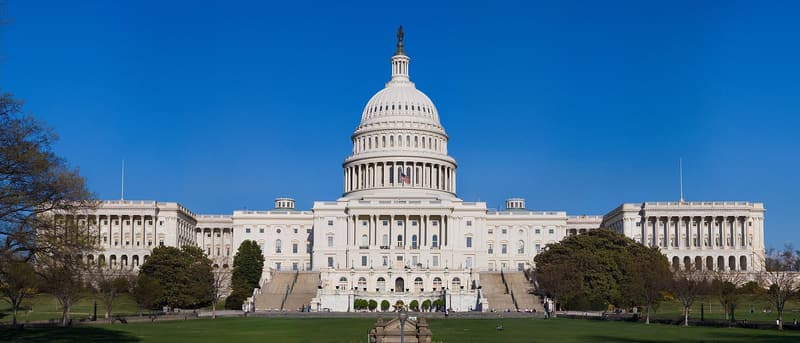
Representative photo · Photo: Noclip / Wikimedia Commons, Public domain
Midterm voters rejected Donald Trump's alternate reality narrative as they struggled with high prices, the Iran war, and economic pressures.
As Americans cast their ballots in the recent midterm congressional races, voters roundly rejected the alternate reality constructed by Donald Trump, demonstrating that the president had lost touch with economic and social realities on the ground. Prior to the elections, Trump repeatedly claimed that a new golden age was underway, asserting that the country was experiencing historic stock market highs and thriving under his administration. He urged voters to treat the election as a referendum on his policies, stating that he had kept far more promises than he made.
However, voters across the United States were not buying this narrative. While Trump maintained that the conflict in Iran was minimal and dismissed affordability concerns as a con job, citizens faced mounting pressures from high gas prices, inflation, and the cost of living. Voters and local candidates alike reported widespread public frustration over economic struggles, corruption, tariffs, and foreign conflicts, leading to significant losses for Republican candidates up and down the ballot.
Midterm voters rejected Donald Trump's alternate reality narrative as economic pressures weighed heavily on the electorate.
Economic Reality Overrides Trump
Independent pollsters and local politicians noted that the administration's approach was severely tone-deaf, ignoring the daily struggles of ordinary citizens. Voters in states such as Ohio, Kansas, and Minnesota voiced deep concerns over the disregard for the rule of law, the ongoing war, and the inability to afford basic necessities. Republican candidates attempting to defend the administration encountered outright hostility at the doorstep, with many voters opting to send a clear message against the ruling party by splitting tickets or voting against Republicans entirely.
Despite the clear rejection at the polls, Trump remained defiant, blaming his absence from the ballot for his party's collapse rather than acknowledging voter grievances. Meanwhile, Democratic candidates capitalized on the sentiment by focusing on retail politics and in-person town halls to make voters feel heard.
Why it matters
This election outcome signals a major shift in the political landscape, demonstrating that national leaders cannot easily dismiss economic hardships or public discontent with alternate narratives. The results directly affect the governing power of Republicans in Congress and set a new tone for future political strategies as voters demand practical solutions to everyday financial struggles.
Sources
More like this

Windrush accusations as Turkish UK residency applications face rising rejections
Is Unconditional Support for Israel Shaking Republican Politics?

Does Andy Burnham’s shift to social media risk political scrutiny?