UN Closes Political Mission in Somalia After Three Decades
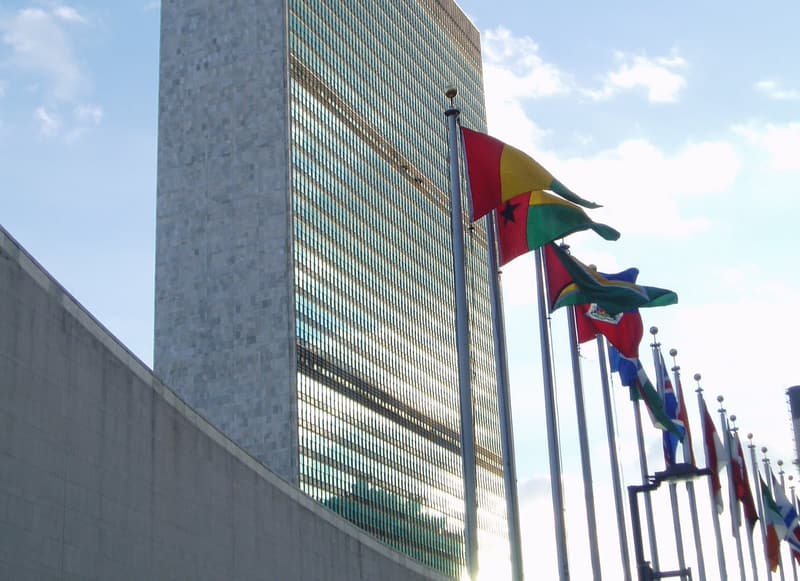
Representative photo · Photo: Steve Cadman / Wikimedia Commons, CC BY-SA 2.0
The United Nations has officially ended its political mission in Somalia following a two-year transition requested by the Somali government.
The United Nations has closed its political mission in Somalia, officially bringing an end to more than three decades of international efforts to help the country rebuild following years of civil war. According to the mission, operations for the United Nations Transitional Assistance Mission in Somalia ceased on Saturday after the completion of a two-year transition period requested directly by the Somali government.
Over the course of the transition, mission responsibilities have been progressively transferred to local Somali institutions, various UN agencies, and a separate UN office that provides vital support to African Union troops. This handoff followed a structured roadmap agreed upon by both Somalia and the global body. The closure comes after a lengthy period of sometimes tense relations between domestic governments and the UN mission, with past involvement in local politics frequently drawing accusations of domestic interference. President Hassan Sheikh Mohamud’s administration formally requested the withdrawal of the mission in 2024.
During a farewell ceremony held in Mogadishu, Deputy Prime Minister Saleh Ahmed Jama celebrated the transition as a victory for the nation, declaring that Somalia was moving past the era of transition. Despite the closure of the political mission, the broader internet search trend surrounding somalia reflects ongoing global curiosity about the nation's political shifts and historical status.
Somalia hailed the closure of the UN political mission as a milestone victory after three decades.
Despite the positive outlook presented by local officials, the departure of the UN mission coincides with a period of shrinking international support, persistent internal violence, and deep political divisions. Opposition leaders have actively rejected the government's stance regarding constitutional adjustments that allow current leaders to remain in office until 2027. Relations with several regional leaders remain strained, while the al-Qaeda-linked armed group al-Shabab continues its ongoing insurgency against government forces.
Although the UN previously assisted rival leaders in reaching election agreements, no replacement has yet been established for its mediation role. President Mohamud has invited political opponents to engage in discussions, though major opposition groups have not yet confirmed their participation.
Why it matters
While humanitarian and development agencies continue operating in the country, their financial resources have been severely impacted by widespread cuts to international aid, leading to numerous facility closures. Additionally, while African Union troops remain stationed to support domestic security forces against insurgent threats, their ongoing operational capacity relies heavily on logistical support from a separate UN office. That vital supply line faces potential termination by late 2027 under a US-backed closure plan, leaving the nation to navigate its security and political challenges with reduced international backing.
Sources
More like this
Iran Lawmakers Call for Withdrawal from NPT Amid Ongoing Conflict
Ex-Rebel Abdulraof Macacua Elected Chief Minister of Philippine Muslim Region